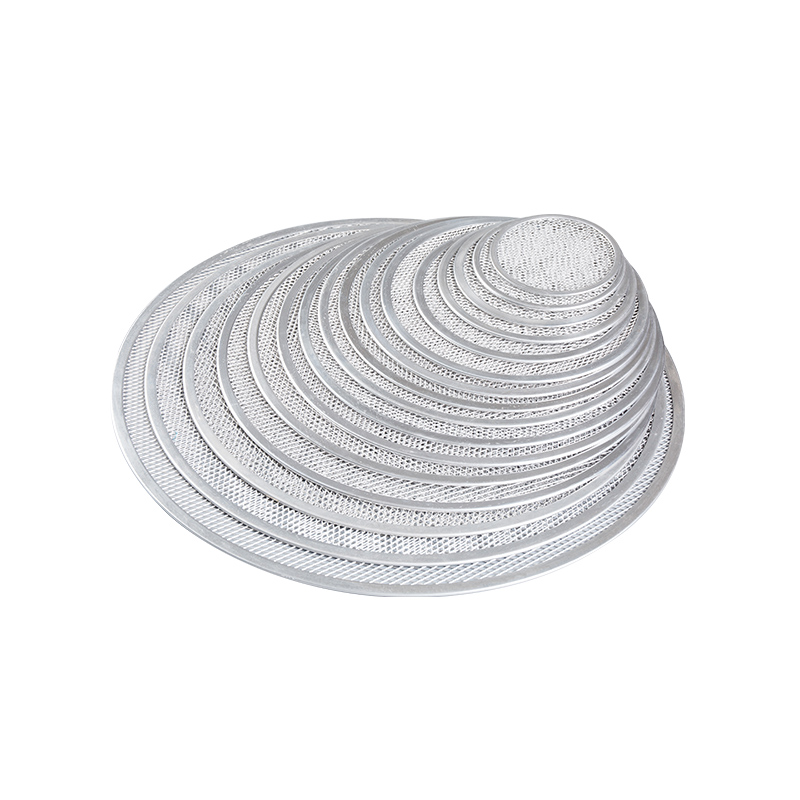
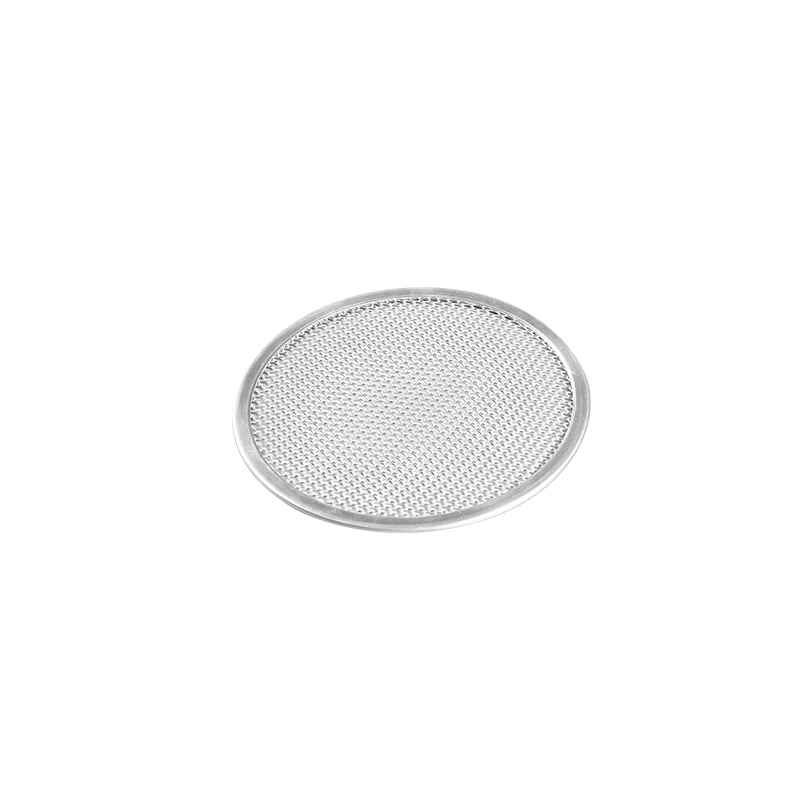
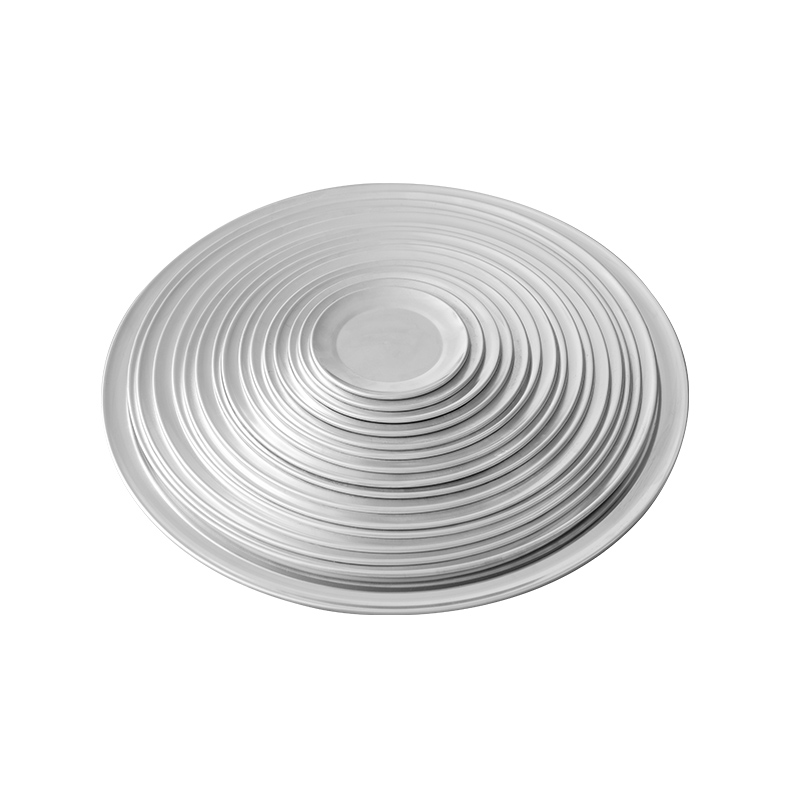
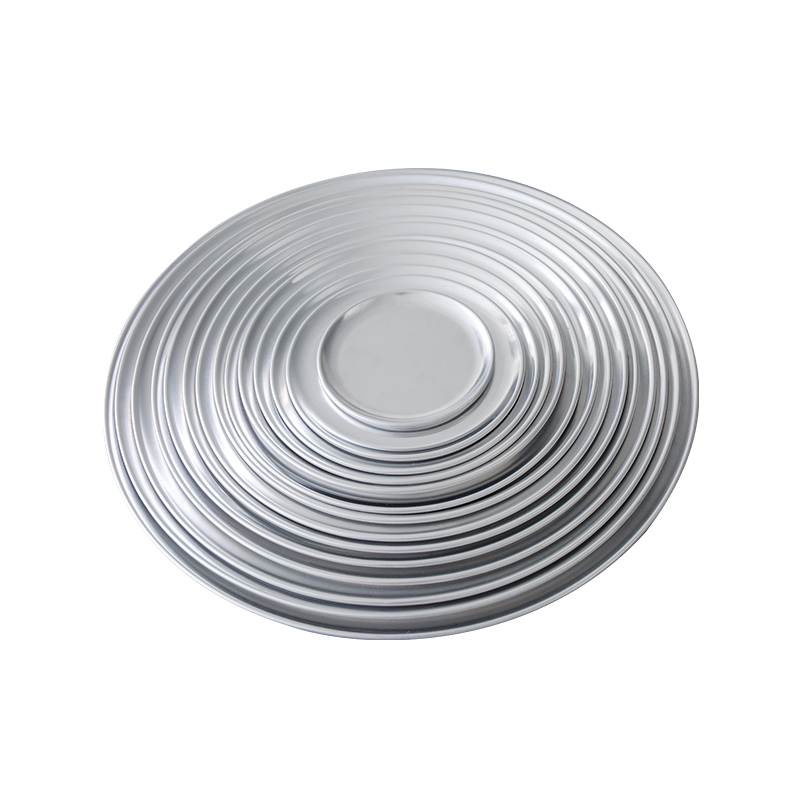
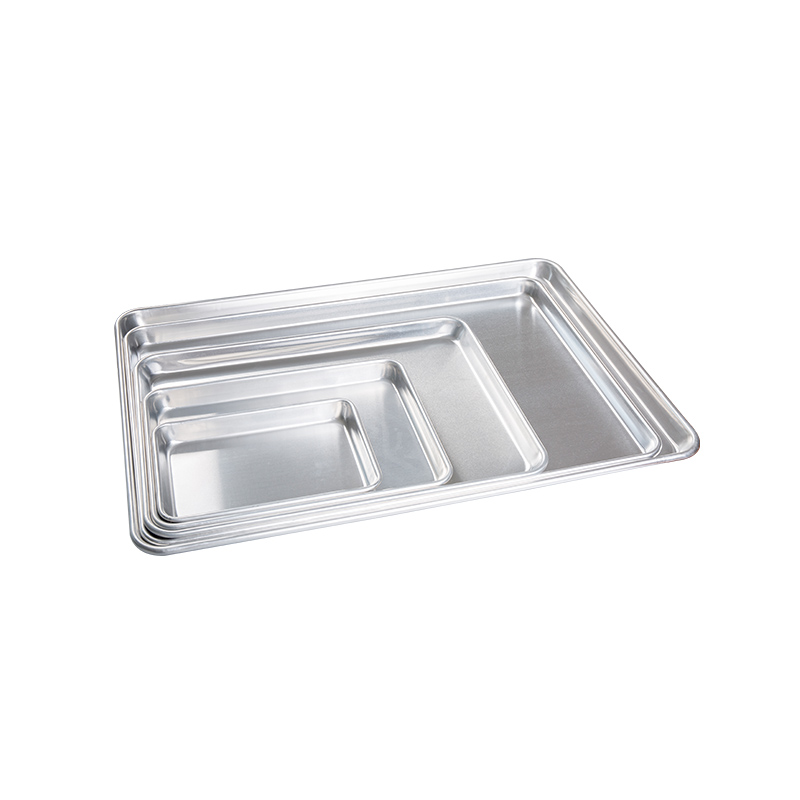
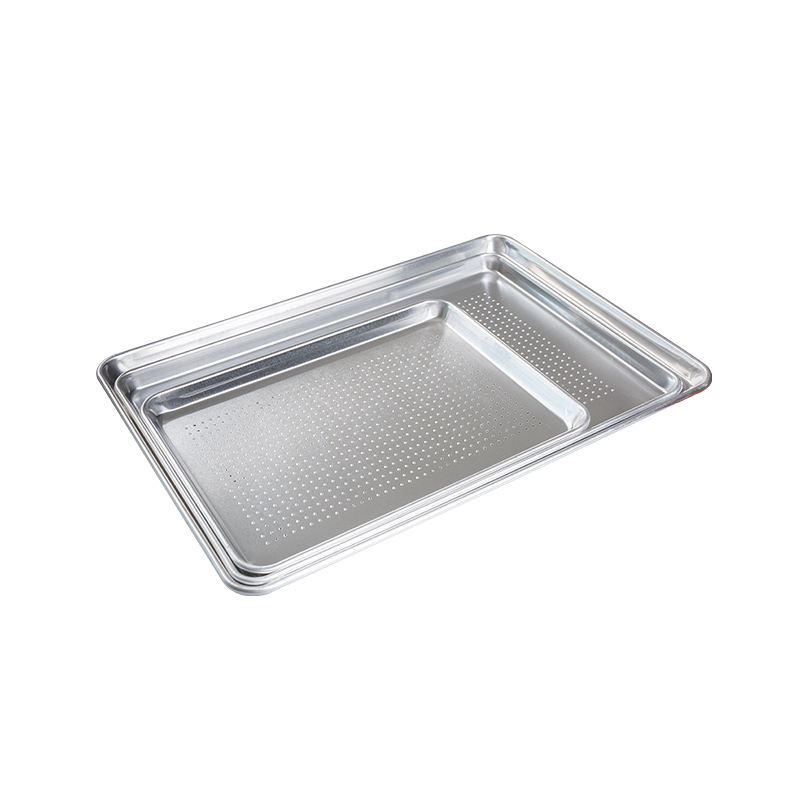
China aluminum sheet pans are globally recognized as indispensable tools for commercial and professional baking. Produced by the region's robust manufacturing infrastructure, these pans offer an unparalleled balance of thermal conductivity, durability, and cost-efficiency, making them a reliable choice for industrial bakeries and catering kitchens worldwide.
Manufacturing Prowess and Material Selection
The rise of China as a global leader in metal fabrication has transformed the bakeware market. Factories in the region utilize advanced metal-forming technologies and large-scale production capabilities, ensuring that uniform standards are met across massive production runs. This allows commercial kitchens to replace their inventory with identical, high-quality pans without worrying about inconsistencies in shape or heating dynamics.
Aluminum, specifically professional-grade alloys, is chosen for its exceptional physical properties. Chinese manufacturers generally employ heavy-duty cold stamping processes to create these pans. This technique yields a seamless construction, eliminating the joints, rivets, or welds that can create structural weak points or harbor bacteria. The single-piece construction ensures that the pan can withstand repeated thermal cycling without separating at the seams.
Key Advantages of Aluminum in Baking
The physical characteristics of sheet pans directly affect the quality of the baked goods, and aluminum consistently performs at the top of the class. The benefits of utilizing aluminum for baking environments are rooted in basic metallurgical properties.
Superior Thermal Conductivity
Aluminum is prized for its ability to transfer heat rapidly and evenly. It conducts heat significantly better than carbon steel or stainless steel. This rapid heat transfer ensures that the entire surface of the pan reaches the target temperature simultaneously, preventing hot spots that can burn the edges of pastries while leaving the center undercooked.
Lightweight Structural Integrity
Despite its strength, aluminum is remarkably lightweight. In a fast-paced commercial kitchen where staff are moving hundreds of pans per shift, the reduced weight lowers the physical strain on workers. This reduction in fatigue directly translates to higher efficiency and fewer workplace accidents. The structural integrity remains intact, allowing the pans to support heavy batches of dough without bending.
Energy Efficiency
Because aluminum heats up quickly and retains heat effectively, ovens do not need to work as hard to maintain their internal temperature when loaded with these pans. Over time, this can contribute to a reduction in energy consumption, making aluminum an environmentally conscious and economically sensible choice for large-scale operations.
Surface Finishes and Their Impact on Baking
Not all aluminum sheet pans are identical, and the primary difference lies in their surface finish. Chinese manufacturers offer several coatings and treatments tailored to various baking needs. The choice of finish dictates how the dough interacts with the metal, affecting crust formation and release properties.
| Surface Type |
Key Characteristics |
Ideal Application |
| Natural Brushed |
No coating, porous surface, develops a natural non-stick patina over time through seasoning |
Bread rolls, artisan cookies, general roasting |
| Anodized |
Electrochemically hardened surface, non-reactive, scratch-resistant, dark color aids browning |
Delicate pastries, acidic fruit tarts, macarons |
| Silicone Glazed |
Coated with a synthetic non-stick layer, requires no seasoning, easy release |
High-sugar baked goods, sticky buns, sheet cakes |
Comparison of common surface treatments for aluminum sheet pans
Anodizing is a particularly sophisticated process utilized by top-tier manufacturers. By passing an electrical current through the aluminum in an acid bath, a controlled oxidation layer is created. This layer is twice as hard as stainless steel and completely seals the aluminum. This prevents any metallic taste from leaching into acidic foods and provides a naturally non-stick surface without the need for synthetic chemical sprays.
Practical Applications in a Commercial Setting
Beyond standard baking, the versatility of aluminum sheet pans makes them a cornerstone of professional kitchen organization. Their durability allows them to transition seamlessly between various temperature environments, from blast freezers to high-heat deck ovens.
- Proofing and Cooling: The lightweight nature allows bakers to easily stack filled pans in proofing cabinets. Once baked, the high thermal conductivity means the pans cool down rapidly when removed from the oven, halting the cooking process immediately.
- Prep Station Organization: Cooks frequently use sheet pans as mobile prep stations. Chopped vegetables, marinated proteins, and assembled dishes can be prepped on a pan and moved directly to the cooking line.
- Blast Freezing: Aluminum's ability to transfer cold is just as effective as its ability to transfer heat. Sheet pans are ideal for blast freezers, ensuring that par-baked goods freeze quickly and evenly, preventing the formation of large ice crystals that can ruin texture.
Maintenance Best Practices for Maximum Longevity
Investing in high-quality aluminum sheet pans requires proper care to extend their functional lifespan. Mishandling can lead to warping, discoloration, or a degradation of baking performance. Adhering to specific maintenance protocols ensures the pans remain in service for years.
Proper Cleaning Techniques
While some commercial dishwashers can handle aluminum, hand washing is strongly recommended to preserve the surface. Harsh alkaline detergents found in commercial dishwashing machines can chemically react with the aluminum, causing pitting and a dark, unsightly residue. Pans should be washed with warm water, mild soap, and a non-abrasive sponge. For stubborn baked-on residue, soaking in hot water is preferable to aggressive scrubbing, which can damage the seasoning or protective coating.
The Seasoning Process
Natural aluminum pans require seasoning to build a non-stick patina. This process involves applying a thin layer of neutral baking oil to the surface and heating the pan in an oven until the oil polymerizes. This creates a protective, non-stick shell that improves with every use. A well-seasoned natural aluminum pan will perform as effectively as a chemically coated pan.
Preventing Thermal Shock and Warping
Warpage is the most common cause of pan failure. It occurs when different parts of the metal expand or contract at different rates, usually due to sudden temperature changes. To prevent this, pans should never be taken directly from a refrigerator and placed into a blazing hot oven, nor should they be placed on a cold metal surface immediately after being removed from high heat. Allowing for gradual temperature transitions is critical.
Evaluation Criteria for Sourcing Quality Pans
When evaluating China aluminum sheet pans, several structural elements indicate long-term reliability. Understanding these physical markers helps buyers distinguish between disposable consumer-grade products and professional-grade equipment designed for commercial endurance.
- Gauge and Thickness: The thickness of the metal, often referred to as the gauge, determines the pan's resistance to warping. Thicker metal retains its shape better under extreme heat but adds weight. Commercial pans should feel substantial in the hand, resisting flexing when pressure is applied to the center.
- Reinforced Edges: The rim of the pan should feature a distinct rolled or encapsulated wire edge. This structural addition acts like a skeleton, holding the flat surface taut and preventing the corners from drooping under the weight of heavy dough.
- Galvanic Isolation: In environments where pans are stored on metal shelving, galvanic corrosion can occur. High-quality pans often feature a microscopic coating or specific alloy blend to prevent chemical reactions when in contact with dissimilar metals in humid environments.
By understanding the manufacturing processes, material properties, and maintenance requirements of these tools, culinary professionals can maximize their investment. The strategic use of aluminum sheet pans remains a fundamental practice in achieving consistent, high-quality culinary results.

 English
 Español
 Français



 +86-13482417468
 [email protected]
 No.99, Lane 3670, Waiqingsong Road, Baihe Town, Qingpu District, Shanghai China 201709