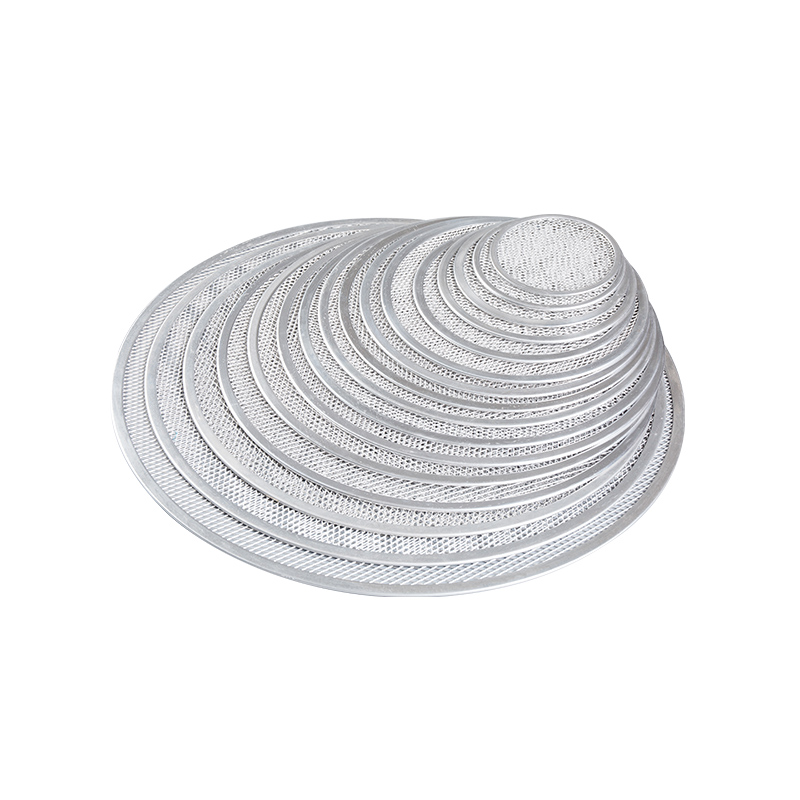
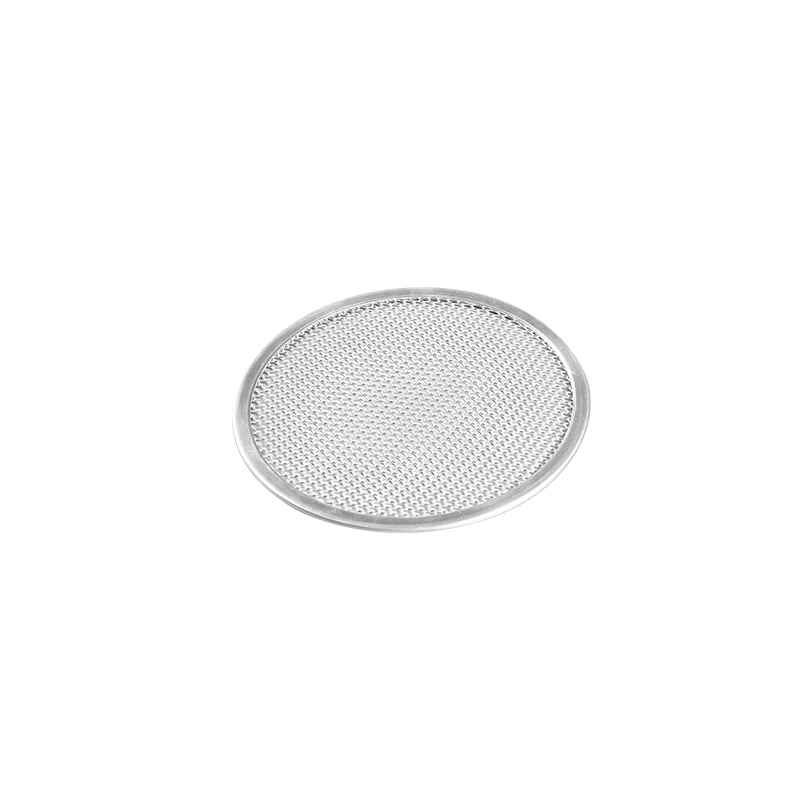
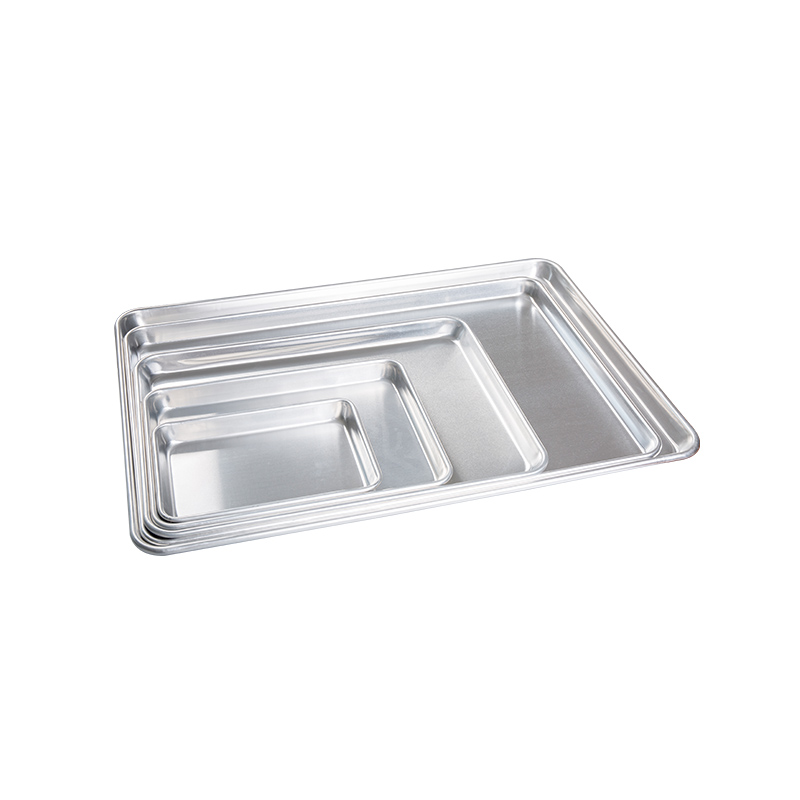
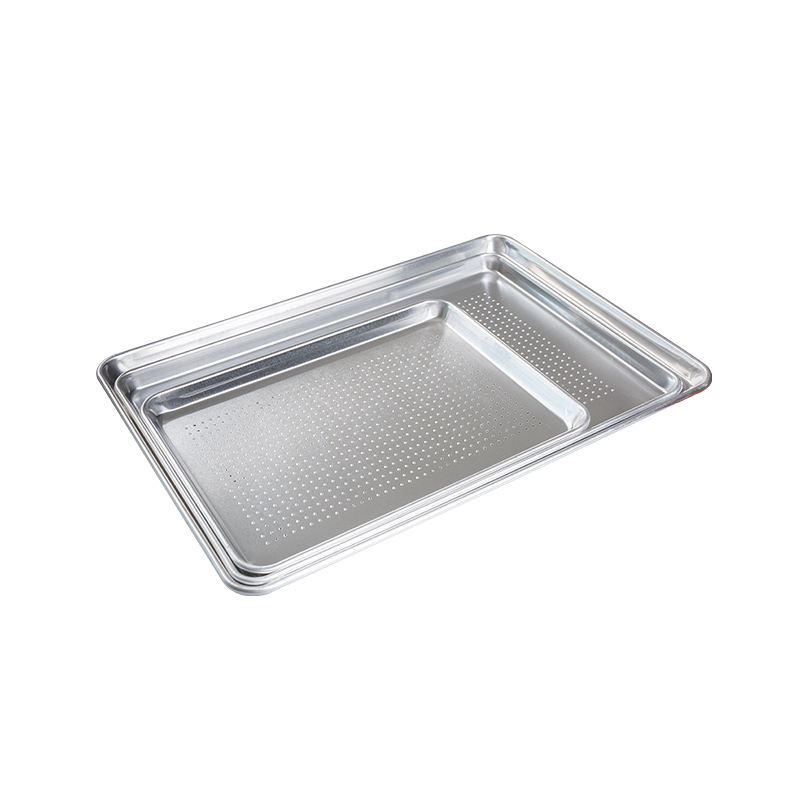
China aluminum pizza screens are the most practical and efficient tools for achieving a consistently crispy pizza crust, offering unmatched heat conduction, durability, and cost-effectiveness. Whether you are running a high-volume commercial pizzeria or baking at home, these screens ensure even baking by allowing air to circulate freely beneath the dough. Their lightweight nature and robust construction make them an indispensable asset in any kitchen setting, eliminating the common problem of soggy bottoms and undercooked centers.
Understanding the Core Advantages
The widespread adoption of aluminum pizza screens is not a coincidence. It stems from a combination of physical properties that make aluminum uniquely suited for baking applications. China, as a global manufacturing hub, leverages these properties with advanced production techniques to deliver screens that meet rigorous culinary demands.
Superior Heat Conduction and Distribution
Aluminum is renowned for its excellent thermal conductivity. When a pizza screen is placed in an oven, the aluminum mesh rapidly absorbs the ambient heat and transfers it directly to the pizza dough. This rapid heat transfer is crucial for mimicking the effects of a traditional brick oven floor. The direct transfer of heat jump-starts the yeast activity and accelerates the caramelization of the crust's sugars, resulting in a golden-brown finish that is difficult to achieve with standard baking sheets. The mesh design ensures that heat does not get trapped, preventing hot spots that can burn one side of the pizza while leaving the other undercooked.
Optimal Airflow for a Crispy Crust
The primary function of a pizza screen is to elevate the dough off the solid surface of a pan or oven rack. This elevation allows hot air to circulate freely around the entire pizza, particularly the bottom. As the dough bakes, moisture is released. On a solid pan, this moisture has nowhere to go, leading to a steamed, soggy crust. With an aluminum screen, moisture escapes through the perforations, ensuring the crust remains crisp throughout the entire baking process. This is especially beneficial for thick-crust pizzas or pizzas with heavy, moisture-rich toppings.
Lightweight and Corrosion Resistant
Unlike heavy steel pans or cast-iron skillets, aluminum screens are incredibly lightweight. This reduces physical strain on kitchen staff who must repeatedly move pizzas in and out of hot ovens during busy service periods. Furthermore, aluminum naturally forms a protective oxide layer when exposed to air. This layer makes the metal highly resistant to corrosion and rust, ensuring the screens maintain their structural integrity even after years of exposure to high temperatures and routine washing.
Practical Applications in Various Settings
Aluminum pizza screens are versatile tools that extend far beyond simply baking a standard pizza. Their design lends itself to a variety of culinary applications, making them a highly versatile addition to any kitchen arsenal.
Commercial Pizzerias and Restaurants
In a fast-paced commercial environment, consistency and speed are paramount. Screens allow chefs to prep pizzas on the screen and slide them directly into the oven, often without the need for a pizza peel. They are particularly valuable in conveyor ovens, where the screen rides through the cooking chamber, ensuring an even bake. They also serve as an excellent cooling rack; once removed from the oven, the screen allows air to continue circulating beneath the crust, preventing the bottom from becoming soft as the pizza waits to be served.
Home Baking Enthusiasts
For home bakers, achieving professional-level results can be challenging due to standard domestic ovens' limitations. An aluminum screen compensates for the lack of a specialized pizza oven by maximizing the available heat. It elevates the dough closer to the oven's heating elements and prevents the insulating effect of a thick baking stone or pan, allowing home cooks to produce pizzeria-quality crusts in their own kitchens.
Alternative Culinary Uses
The utility of aluminum screens is not limited to pizza. They are excellent for baking items that benefit from bottom-crust crispness. Consider the following alternative applications:
- Baking fresh bread loaves and rolls to prevent soggy bottoms
- Roasting vegetables that need to release excess moisture
- Dehydrating fruits or jerky in low-temperature ovens due to the excellent airflow
- Acting as a splatter guard when frying foods on the stovetop
- Cooling fried foods to maintain their crunch
How to Choose the Right Aluminum Pizza Screen
Selecting the appropriate pizza screen requires an understanding of your specific baking needs and the features that differentiate various models. Not all screens are created equal, and choosing the wrong one can negatively impact your baking results.
Evaluating Mesh Size and Hole Patterns
The size and density of the perforations dictate how much heat and air reach the dough. Screens with larger or more numerous holes provide maximum airflow and are ideal for thick, doughy pizzas that need to dry out quickly. Conversely, screens with smaller perforations offer more support for delicate doughs or heavily topped pizzas, preventing ingredients from sagging through the holes while still providing adequate airflow. Choosing the correct mesh size is critical for balancing crust crispness with structural support.
Selecting the Appropriate Diameter
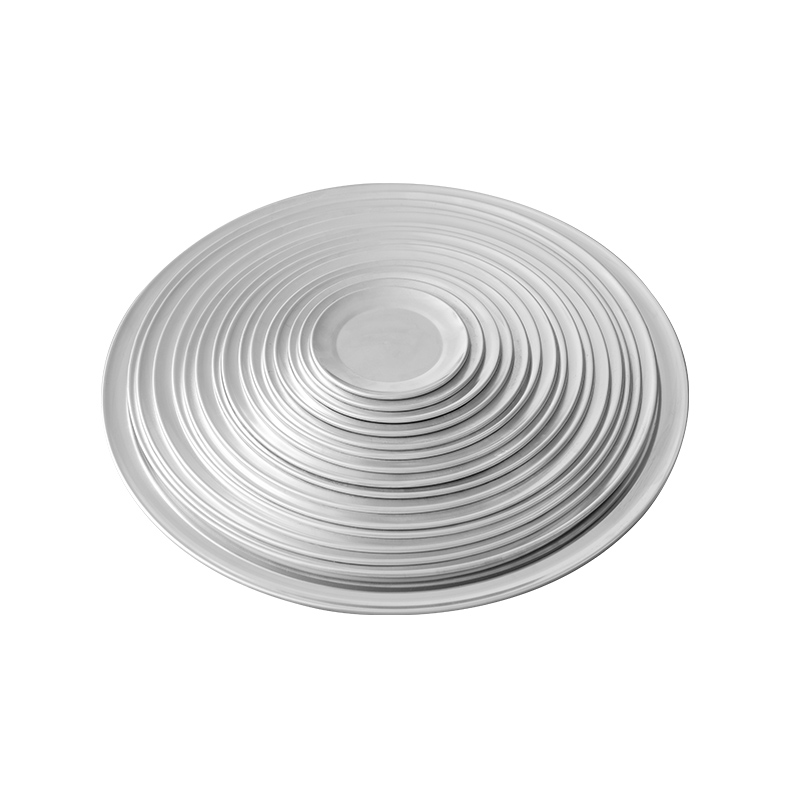
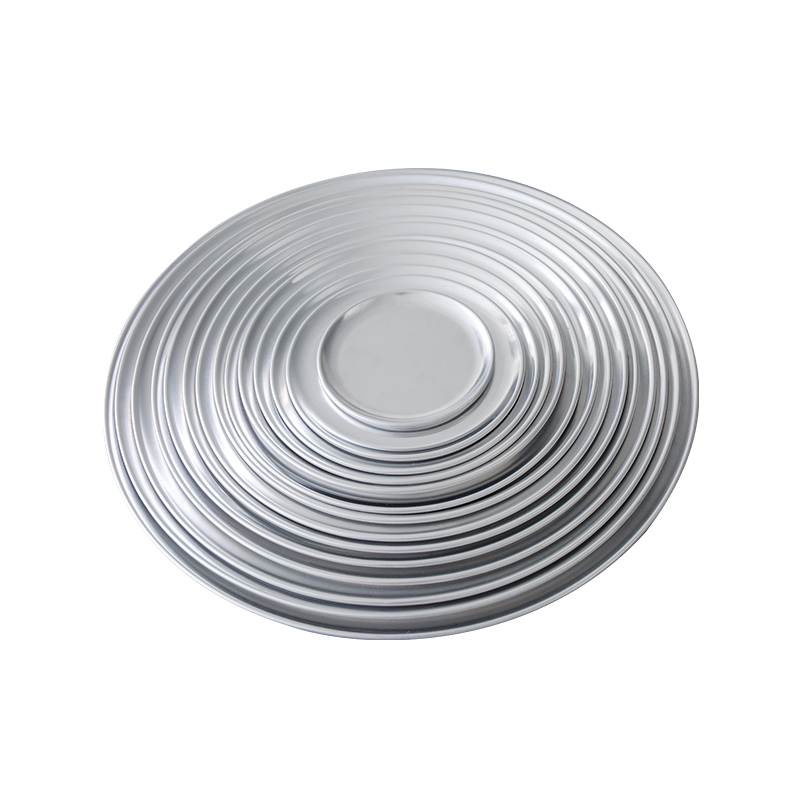
Pizza screens are available in a wide range of diameters to accommodate different oven sizes and serving portions. It is vital to measure your oven's interior dimensions and the spacing between your oven racks before purchasing. A screen that is too large will restrict air circulation around its edges and may not fit properly on the rack. Conversely, a screen that is too small may not provide enough surface area for the dough to expand, leading to misshapen pizzas.
Assessing Rim Design and Construction
The rim of the pizza screen provides structural stability and a convenient grip for moving the pizza. Look for screens with reinforced, rolled rims. This design prevents the screen from warping under high oven temperatures and ensures the edges remain smooth and safe to handle. A sturdy rim also keeps the mesh taut, preventing the dough from dipping or cooking unevenly.
Comparison of Mesh Sizes and Their Ideal Applications
| Mesh Size Category |
Airflow Level |
Dough Support |
Ideal Pizza Style |
| Fine Mesh |
Moderate |
High |
Thin crust, heavy toppings |
| Standard Mesh |
High |
Medium |
Traditional hand-tossed |
| Large Mesh |
Very High |
Low |
Deep dish, par-baking |
Manufacturing Excellence of Chinese Production
China has established itself as a leading producer of aluminum kitchenware, and pizza screens are a prime example of this manufacturing proficiency. The combination of abundant raw materials, advanced industrial capabilities, and stringent quality control processes results in products that dominate the global market.
Advanced Extrusion and Stamping Techniques
The production of high-quality pizza screens relies on precise manufacturing techniques. Chinese factories utilize advanced aluminum extrusion and stamping processes to create uniform perforations across the entire surface of the screen. This uniformity is critical; even a slight variation in hole size or spacing can lead to uneven baking. The stamping process also ensures that the edges of the perforations are smooth, preventing the dough from snagging or tearing when the baked pizza is removed.
Anodization and Surface Treatments
To enhance the natural durability of aluminum, many Chinese manufacturers apply surface treatments such as anodization. This electrochemical process thickens the natural oxide layer on the aluminum surface, making it significantly harder and more resistant to scratching and warping. Anodized aluminum screens offer a non-reactive surface that will not leach metals into acidic food items, ensuring food safety and prolonging the lifespan of the screen even in the harshest commercial kitchen environments.
Quality Control and Industry Standards
Reputable manufacturers in China adhere to strict international quality control standards. This involves rigorous testing of the raw aluminum for purity, as well as post-production inspections to ensure the screens are perfectly flat and free from defects. By maintaining high manufacturing standards, Chinese producers guarantee that their pizza screens can withstand the repeated thermal shocks of daily commercial baking without deforming.
Proper Maintenance for Longevity
While aluminum pizza screens are designed to be durable, improper maintenance can drastically shorten their lifespan and compromise their performance. Establishing a proper cleaning and storage routine is essential for preserving the screen's structural integrity and baking capabilities.
Cleaning Best Practices
Cleaning aluminum screens requires a gentle touch. Harsh chemicals, abrasive sponges, and high-temperature dishwasher cycles can damage the protective oxide layer and cause the aluminum to oxidize, resulting in a dark, pitted surface. The most effective way to clean a pizza screen is to use warm water, a mild detergent, and a soft cloth or brush. For stubborn baked-on cheese or dough, soaking the screen in warm water for a short period will loosen the debris without the need for aggressive scrubbing. It is also crucial to dry the screens immediately after washing to prevent water spots and mineral buildup.
Seasoning the Screens
Like cast iron, aluminum pizza screens can benefit from seasoning, though the process and purpose are slightly different. Seasoning a pizza screen involves wiping it with a thin layer of cooking oil and heating it in the oven. This process creates a natural non-stick patina that makes it easier to slide pizzas off the screen and prevents the dough from sticking to the mesh. Over time, a well-seasoned screen will turn a dark bronze color, which is a sign of a healthy, well-maintained surface that performs optimally.
Storage Recommendations
Proper storage prevents warping and damage. Pizza screens should be stored in a dry, cool environment. They should be stacked flat, avoiding any uneven pressure that could bend the mesh or distort the rim. Hanging them on a rack is also an excellent option, as it keeps them separated and allows for maximum air circulation, preventing moisture accumulation that could lead to corrosion over long periods.
- Allow the screen to cool completely before cleaning to prevent warping from thermal shock
- Gently scrub the surface with a soft brush and warm, soapy water
- Rinse thoroughly and dry immediately with a soft towel
- Apply a thin coat of neutral cooking oil if the screen appears dry
- Store flat in a moisture-free environment to maintain structural integrity
Overcoming Common Baking Challenges
Even with the best equipment, bakers can encounter challenges. Understanding how to troubleshoot common issues when using aluminum pizza screens is key to consistently producing perfect pizzas.
Preventing Dough from Sticking
Dough sticking to the mesh is a frequent frustration, particularly with wet, high-hydration doughs. This usually occurs when the screen is new and unseasoned, or when the dough is overly sticky. To prevent this, ensure the screen is properly seasoned. When stretching the dough, use a minimal amount of flour or cornmeal on the surface. Additionally, allowing the dough to dry slightly on the screen for a few minutes before placing it in the oven can form a slight skin that prevents it from sinking into the perforations.
Avoiding Warping Under High Heat
Although high-quality aluminum screens are designed to withstand oven temperatures, extreme thermal shocks can cause warping. This often happens when a cold screen is placed directly into a very hot oven, or when a hot screen is set on a cold countertop. To avoid warping, always allow the screen to heat up gradually with the oven when possible, and never place a hot screen on a cold, wet surface. If warping does occur, the screen can often be carefully bent back into shape while it is still warm.
Transitioning from Screen to Stone
Many professional bakers use a hybrid method: they bake the pizza on a screen for the first few minutes to set the crust, and then slide the pizza off the screen directly onto a baking stone for the final few minutes. This technique provides the best of both worlds—the airflow of the screen combined with the intense, direct radiant heat of the stone. To execute this successfully, ensure the dough is sufficiently firm before attempting the transfer, and use a well-floured pizza peel to catch the pizza.
Economic and Environmental Considerations
Choosing the right baking equipment involves looking beyond immediate cooking performance. The long-term economic viability and environmental impact of the tools are increasingly important factors for modern culinary operations.
Cost-Effectiveness Over Time
China aluminum pizza screens represent a highly cost-effective investment. Their initial purchase price is significantly lower than that of comparable baking stones or heavy-duty steel pans. Furthermore, their durable construction means they do not need to be replaced frequently. A properly maintained aluminum screen can last for years in a commercial setting, providing thousands of perfectly baked pizzas. This combination of low upfront cost and long service life translates to an exceptional return on investment.
Sustainability and Recyclability
Aluminum is one of the most sustainable materials in the manufacturing world. It is infinitely recyclable without any loss of quality. The recycling process for aluminum requires only a fraction of the energy needed to produce primary aluminum from raw bauxite ore. By choosing aluminum pizza screens, commercial kitchens and home bakers are supporting a circular economy. At the end of their useful life, the screens can be recycled, significantly reducing their environmental footprint compared to non-recyclable or composite baking materials.

 English
 Español
 Français



 +86-13482417468
 [email protected]
 No.99, Lane 3670, Waiqingsong Road, Baihe Town, Qingpu District, Shanghai China 201709