English
 Español
 Français
The Excellence of China Aluminum Sheet Pans: A Comprehensive Analysis from Manufacturing to Application
In today's rapidly changing global market, China Aluminum sheet pans, with their unique advantages, are quietly occupying a key position in the baking and catering equipment sector. More than just a simple baking tool, they represent a perfect fusion of industrial design, materials science, and practical aesthetics.
Aluminum Selection and Pretreatment: The Foundation of Quality
The exceptional quality of China Aluminum sheet pans stems from the rigorous selection of raw materials. Unlike standard industrial aluminum, the aluminum used in bakeware is typically made from food-grade alloys such as 3003 or 5005, renowned for their excellent corrosion resistance and thermal conductivity. Before manufacturing, the aluminum undergoes a series of meticulous pretreatments, including cleaning, annealing, and rolling. Cleaning removes any surface oils and impurities, ensuring purity for subsequent processing. Annealing, through high-temperature treatment, alters the material's crystal structure, making it more pliable and easier to form. Rolling, on the other hand, enhances the surface finish while maintaining uniform thickness. This series of pre-processing steps lays a solid foundation for the subsequent stamping and forming processes, and also determines the ultimate quality of the final product.
Meticulous Manufacturing Process: A Stunning Transformation from Flat to Three-Dimensional
Transforming a flat sheet of aluminum into a fully functional bakeware requires a complex and precise manufacturing process. The first and most crucial step is stamping. Using a high-precision stamping die, under intense pressure, the basic shape of the bakeware is stamped out of the aluminum sheet in one or several stages. This process requires extremely high die precision to ensure that the bakeware's dimensions, depth, and edge curvature meet the design standards. Some high-end bakeware also utilizes a stretch forming process, which ensures a more uniform wall thickness and prevents deformation caused by stress concentration.

After forming, bakeware typically undergoes edge processing, such as curling or folding. This process creates a smooth, rounded edge that is not only aesthetically pleasing but also effectively protects users from sharp scratches during handling. Furthermore, the reinforced edge strengthens the bakeware's overall structural strength, making it less susceptible to deformation. Some special-purpose bakeware features reinforced ribs. These raised lines not only enhance the bakeware's aesthetics but, more importantly, effectively distribute thermal stress, preventing warping caused by thermal expansion and contraction during high-temperature baking.
Innovations in Surface Treatment: Empowering Bakeware with More Functionality
Forming alone is not enough to meet the demands of modern baking. Surface treatment technology has given Chinese aluminum bakeware greater functionality and value. The most common surface treatment is anodizing. Anodizing creates a hard oxide film on the aluminum surface, significantly improving the bakeware's wear and corrosion resistance while also enhancing its non-stick properties. Anodized bakeware exhibits a unique metallic luster and is easier to clean.
In addition to anodizing, non-stick coatings are also widely used. Common coating materials include Teflon (PTFE) and silicone. Non-stick coatings effectively prevent food from sticking to the bakeware, greatly simplifying post-baking cleanup. High-quality non-stick coatings require multiple coats of spray paint and high-temperature curing to ensure strong adhesion and durability. Innovative surface treatment technologies, such as ceramic coatings and hard anodizing, are also being incorporated into the manufacture of high-end bakeware. These technologies enhance non-stick properties while also increasing scratch resistance and durability.
A Deep Integration of Superior Performance and Market Applications
The key to China Aluminum sheet pans' global success lies in their exceptional performance and wide market application. Excellent thermal conductivity is a core advantage of aluminum bakeware. Aluminum's thermal conductivity is significantly higher than that of other common metals, such as stainless steel. This means that heat is quickly and evenly distributed throughout the pan, ensuring evenly heated food and preventing burnt spots or uneven cooking. This characteristic is particularly important for baking foods such as bread, cookies, and cakes, which require precise temperature control.

In terms of market applications, China Aluminum sheet pans cover nearly every baking application, from small-sized baking pans used by home bakers to standard-sized baking pans used in commercial bakeries and central kitchens, and even customized baking pans for industrial food production lines. Their lightweight design makes them easy to use, while their durable construction meets the demands of rigorous commercial use. Furthermore, China's manufacturing industry boasts strong production capacity and cost advantages, enabling high-quality aluminum bakeware to enter the global market at highly competitive prices, providing a cost-effective option for a wide range of customers.
China Aluminum sheet pans are more than just baking tools; they represent the profound accumulation and continuous innovation of China's manufacturing industry in materials science, process technology, and market applications. From carefully selected raw materials to precise manufacturing processes and innovative surface treatments, every step is honed with ingenuity and wisdom. It is precisely these combined advantages that have made Chinese aluminum bakeware a shining star on the global baking stage, and they are poised to continue writing new chapters of brilliance in their future development.


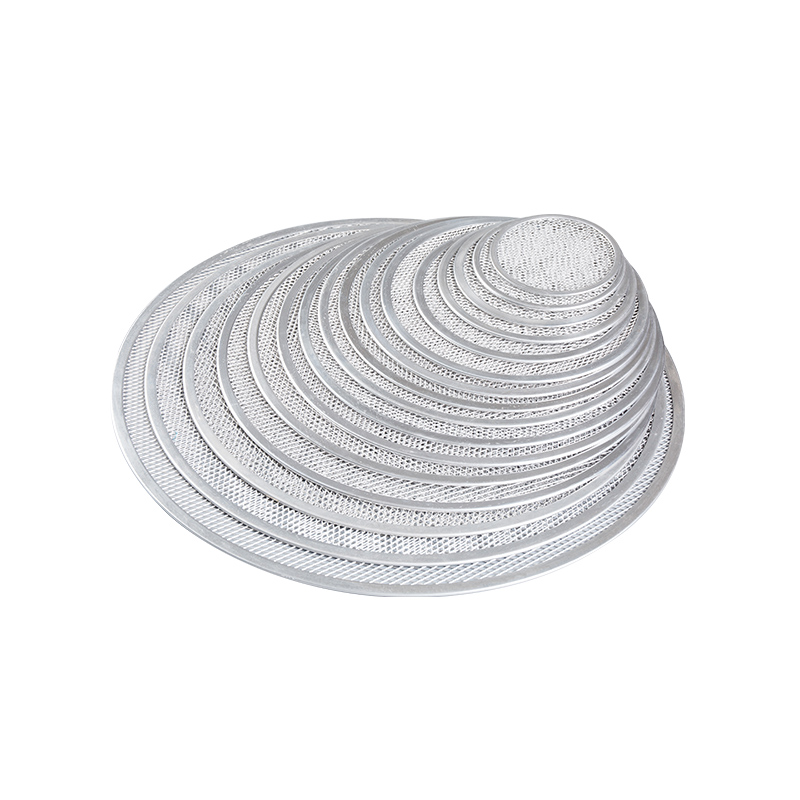
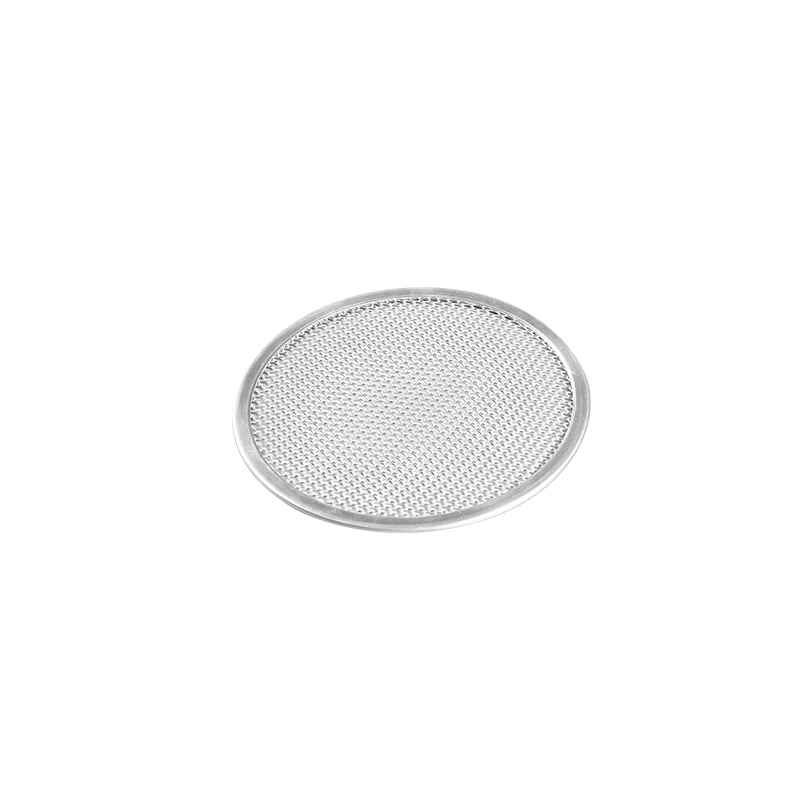
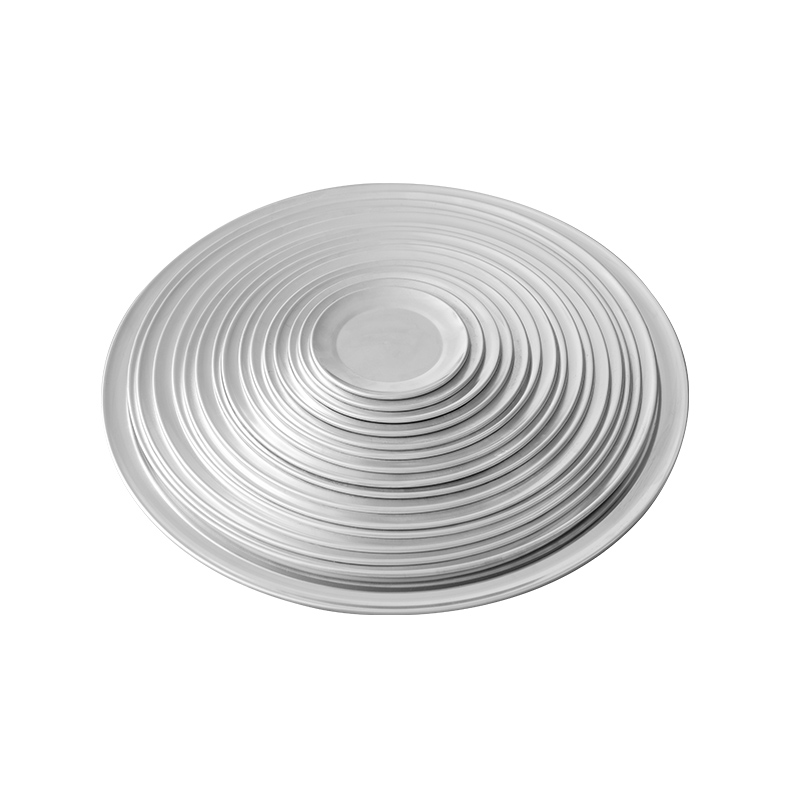
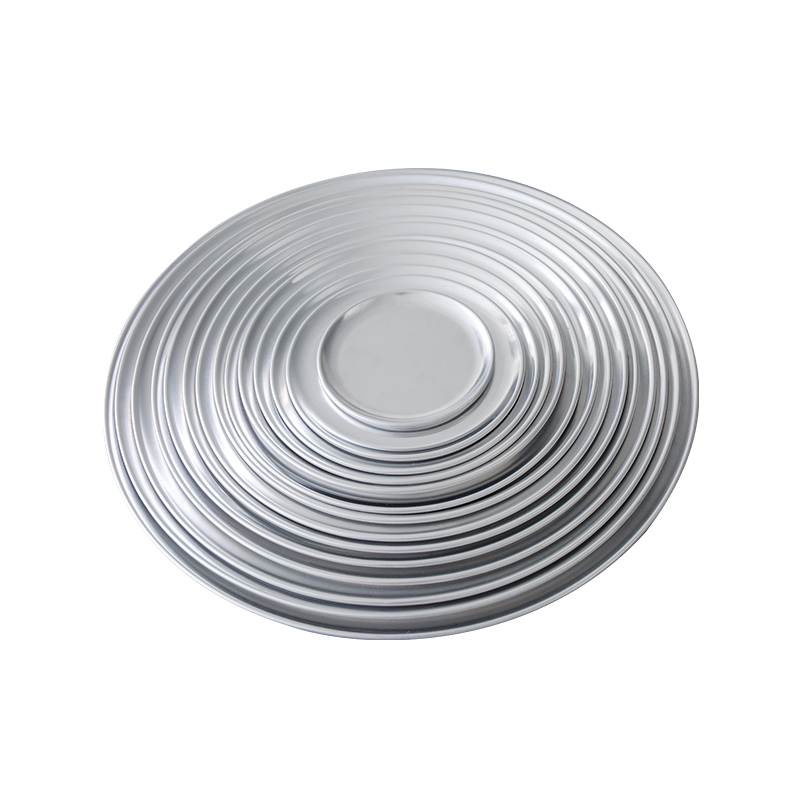
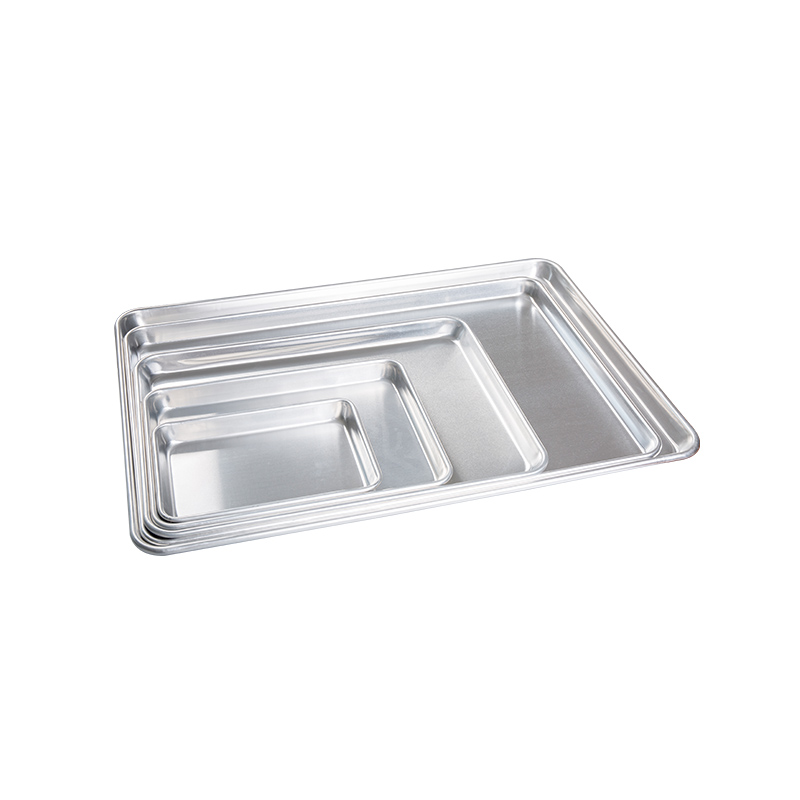
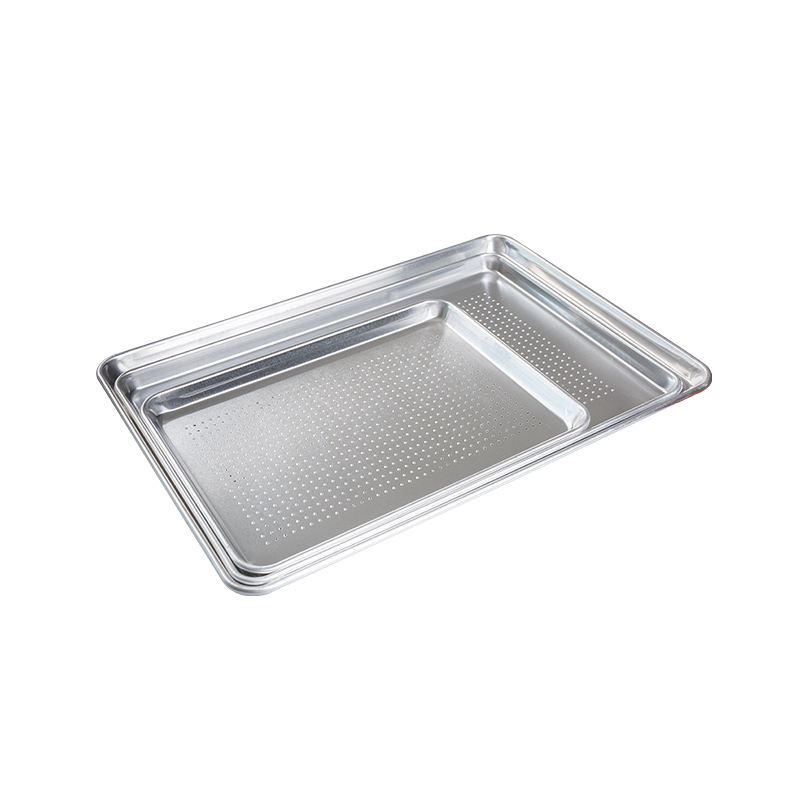

We are a manufacturer specializing in the production and processing of aluminum pizza trays, aluminum pizza nets and other aluminum products.
Quick Link
Contact Us
-
 +86-13482417468
-
 [email protected]
-
 No.99, Lane 3670, Waiqingsong Road, Baihe Town, Qingpu District, Shanghai China 201709