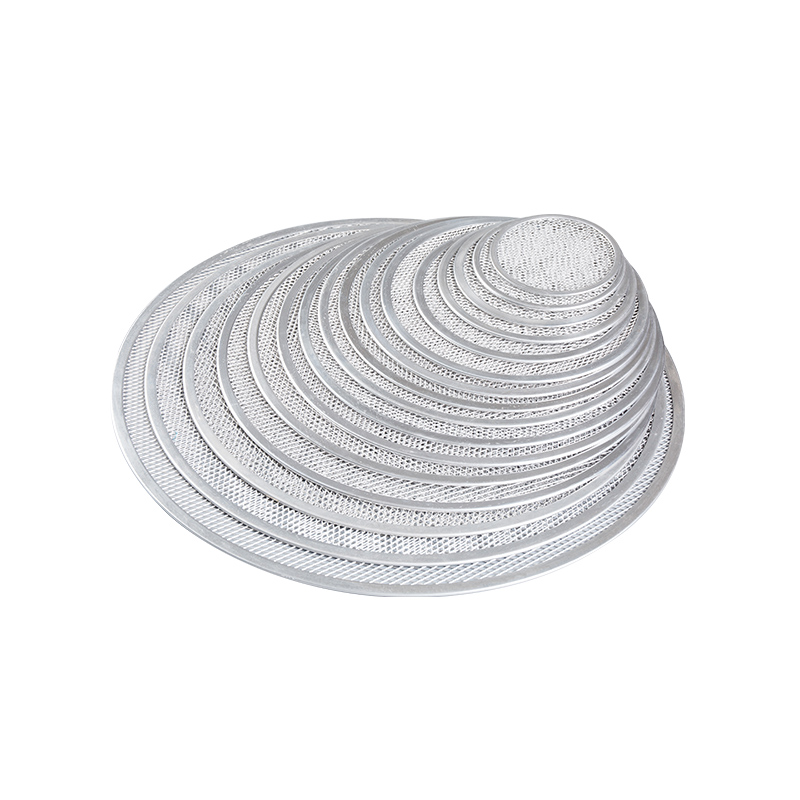
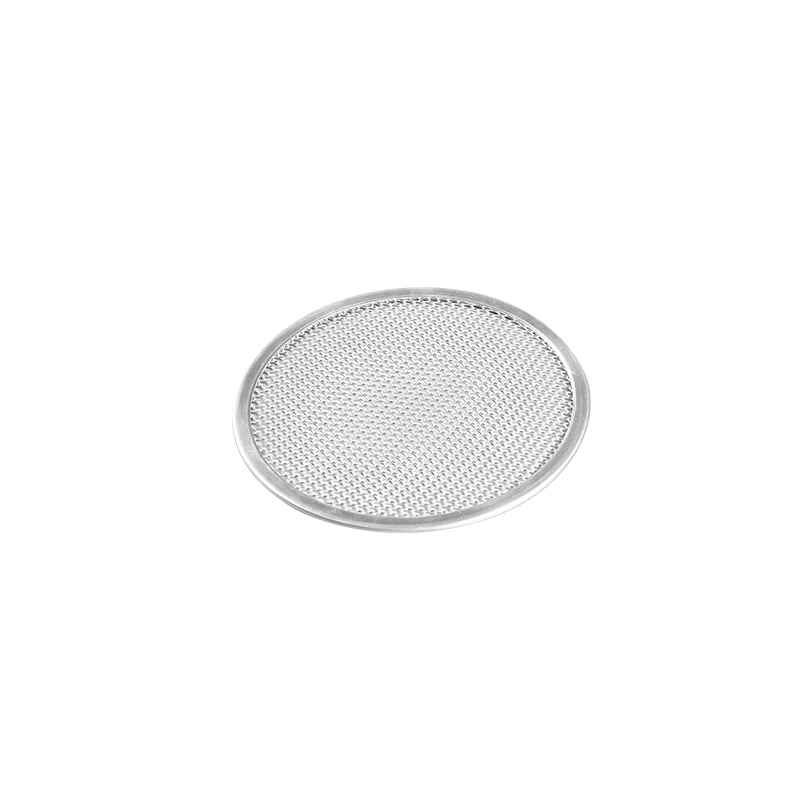
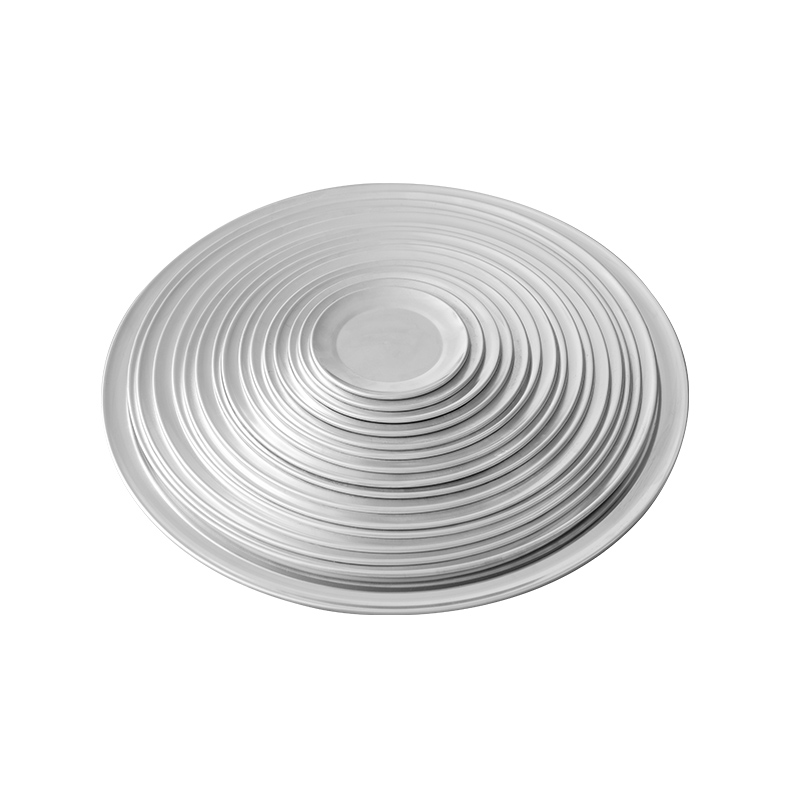
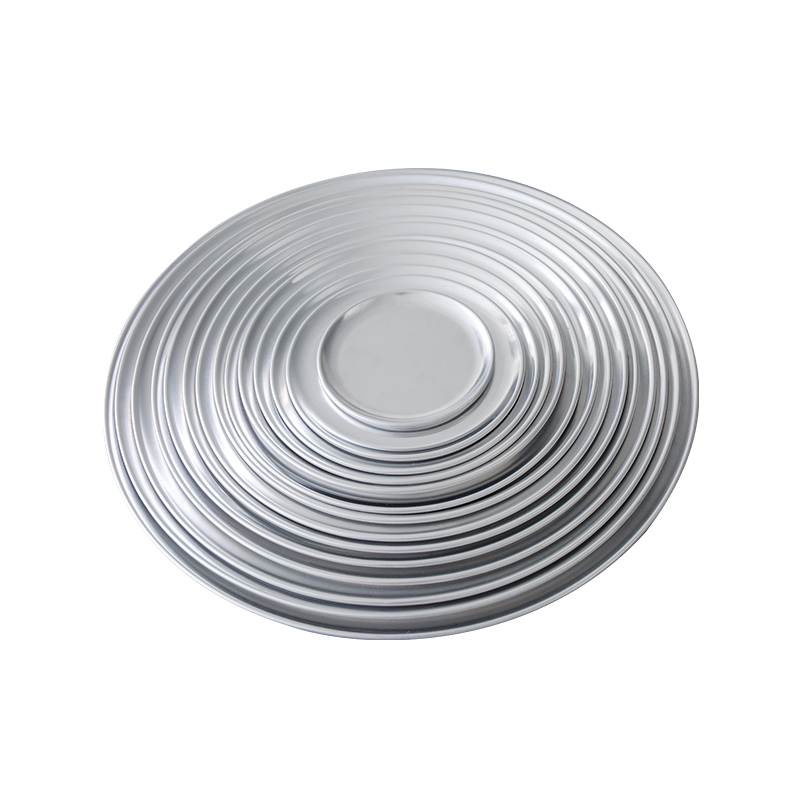
After long-term industrial development and raw material optimization, China Aluminum pizza pans have become mainstream baking containers for both household baking and commercial catering globally, with over half of global mid-range aluminum pizza pan supplies originating from Chinese production bases. Compared with pans made from other raw materials and pans produced in other regions, China-produced aluminum pizza pans balance cost performance, thermal conductivity and service life effectively, satisfying differentiated demands from small family bakeries, chain pizza restaurants and individual home baking enthusiasts. The core competitiveness of these products mainly comes from complete domestic aluminum raw material supply chain, mature deep processing craft and standardized surface treatment technology, which also helps Chinese aluminum pizza pan products steadily expand market share across Europe, Southeast Asia and North America in recent years.
The overall development logic of China’s aluminum pizza pan manufacturing sector follows raw material localization first, processing technology iteration second and customized product development third. Local aluminum smelting and rolling factories can stably provide qualified aluminum blanks for pan production, cutting extra logistics and import costs that overseas manufacturers need to bear. Meanwhile, most domestic processing workshops have upgraded from traditional manual stamping to semi-automatic or full-automatic forming equipment, improving product uniformity while reducing defective rate, laying solid foundations for the stable export of China aluminum pizza pans.
Raw Material Advantages of Domestic Aluminum Used for Pizza Pan Production in China
Complete Domestic Aluminum Industrial Chain Supporting Pan Manufacturing
China owns one of the world’s most comprehensive aluminum industrial chains, covering bauxite refining, electrolytic aluminum smelting, aluminum ingot rolling and thin aluminum sheet deep processing, all core links required for making aluminum pizza pans can be finished within domestic industrial clusters without relying on imported aluminum blanks. Nearly all aluminum raw materials for domestic pizza pan factories are sourced from local aluminum processing enterprises, which can realize flexible raw material allocation according to seasonal order fluctuation of baking pans. When global aluminum raw material price fluctuates sharply, localized supply can buffer cost fluctuation risks for pan manufacturers and stabilize finished product pricing.
- Domestic rolled aluminum sheets used for pizza pans go through multiple rolling and annealing procedures to guarantee uniform metal density, avoiding local over-thin or over-thick issues during stamping forming.
- Manufacturers can select different purity grades of aluminum raw materials based on product positioning, separating high-purity aluminum for high-end commercial pans and standard aluminum alloy for economical household pans.
- Regional industrial clusters gather aluminum raw material suppliers and pan processing plants together, shortening raw material transportation cycle and supporting small-batch customized production demands.
Physical Property Superiority of Aluminum Raw Material Suitable for Pizza Baking Scenarios
Aluminum’s inherent physical characteristics make it far more suitable for pizza making than iron, stainless steel and ceramic baking containers, and Chinese manufacturers fully exploit these features via refined material selection. Fast heat conduction enables the pan to evenly transfer oven heat to pizza dough, preventing partial burnt crust or undercooked middle part that often occurs with poor thermal conductivity bakeware. In actual catering test, pans made of qualified domestic aluminum can finish whole pizza bottom heating within shorter preheating time, saving oven energy consumption for pizza shops running long hours every day.
Comparison of core physical features between China-made aluminum pizza pans and other common baking pan materials
| Pan Material Type |
Heat Conduction Performance |
Daily Anti-rust Ability |
Overall Weight Level |
| Domestic Aluminum |
Excellent, uniform heat spread |
Good after standard surface treatment |
Lightweight |
| Ordinary Iron |
Uneven heat, local overheating easily |
Poor, prone to rust after long-term water contact |
Heavy |
| Common Stainless Steel |
Slow heat conduction |
Excellent |
Medium weight |
Besides thermal performance, aluminum’s lightweight property reduces labor burden for kitchen staff who need to move dozens of pizza pans every day in commercial pizza stores. Most China-made aluminum pizza pans add food-safe oxidation or non-stick coating on surface based on usage needs, further promoting anti-sticking effect during pizza demolding.
Main Production Processes of China Aluminum Pizza Pans and Craft Optimization Details
Standard Mass Production Flow for Conventional Circular Aluminum Pizza Pans
Chinese pan manufacturers have formed standardized production workflows after years of craft accumulation, and mature process control guarantees stable product quality for bulk export orders. The whole production flow starts from raw aluminum sheet cutting, followed by stamping forming, edge trimming, surface polishing, surface functional treatment and finished product inspection. Each processing link has corresponding inspection standards formulated by domestic baking utensil industry norms, avoiding unqualified products flowing into finished product inventory.
- Raw material cutting: According to preset pan diameter specifications, automatic cutting equipment slices whole aluminum coil into fixed-size aluminum blanks, controlling cutting tolerance within qualified range to reduce subsequent forming waste.
- High-pressure stamping: Multi-stage hydraulic stamping machines press flat aluminum blanks into concave pizza pan shape at one time, adjusting stamping pressure to prevent pan bottom from cracking or deforming.
- Edge finishing and deburring: Special trimming equipment removes sharp burrs on pan rim, avoiding scratch risk during user operation and food making.
- Surface treatment: Choose natural anodic oxidation or food-grade non-stick coating construction based on product positioning, all coating materials comply with international food contact safety standards.
- Finished product inspection: Random sampling checks pan flatness, coating integrity and structural stability before packaging and shipment.
Craft Upgrades for Special-shaped and Customized Aluminum Pizza Pans
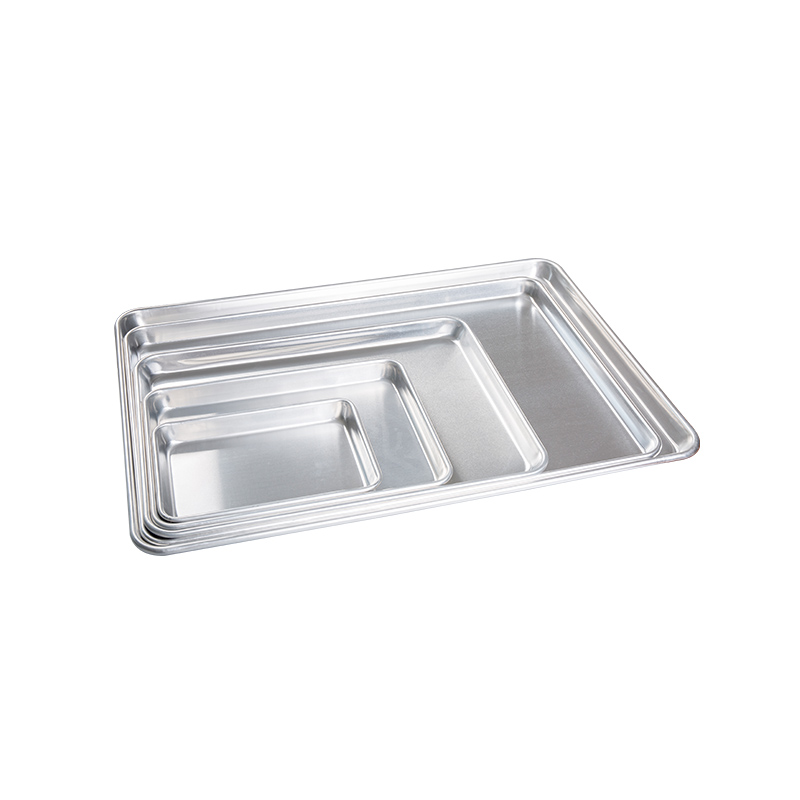
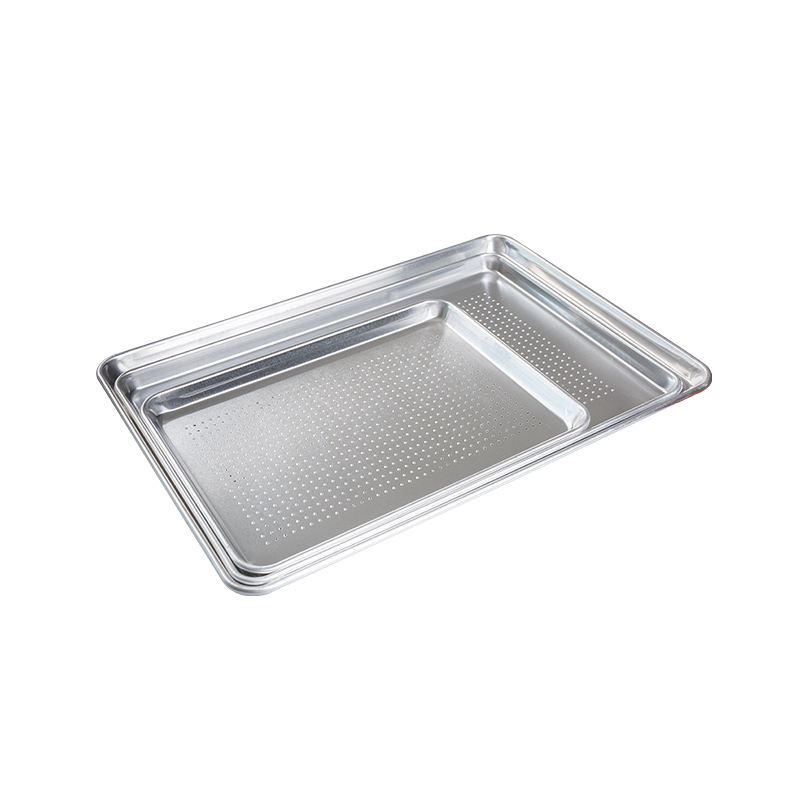
With diversified pizza market demands rising, many Chinese aluminum pan factories upgrade processing equipment to support customized irregular pans including square, rectangular and deep-dish pizza containers. Traditional stamping equipment only fits regular circular pans, while upgraded numerical control forming devices can adjust mold parameters flexibly to produce personalized pans according to buyers’ custom drawings. Customized product proportion in China’s aluminum pizza pan export has kept steady growth year by year, mainly from boutique pizza shops and personalized home baking tool distributors around the world.
Surface treatment technology also keeps iterative upgrading. Early aluminum pans only adopt simple polishing treatment without extra surface coating, which easily sticks to pizza cheese and dough after frequent high-temperature baking. Current mainstream domestic craft adds environment-friendly non-stick coating after anodic oxidation, improving non-stick performance without releasing harmful substances under normal baking temperature range, satisfying strict food safety requirements of European and American market access standards.
Classification and Differentiated Application Scenarios of China Aluminum Pizza Pans
Classification Based on Depth Design: Shallow Tray and Deep Dish Aluminum Pizza Pans
Domestic manufacturers divide aluminum pizza pans into shallow type and deep type relying on pan side height, two types target totally different pizza production recipes and usage environments. Shallow aluminum pizza pans own low surrounding edge, mainly applied for thin-crust Italian-style pizza which features thin dough and less filling, widely matched with high-temperature rapid baking ovens used in chain pizza restaurants. Deep-dish aluminum pans have higher surrounding edge, suitable for thick American deep-dish pizza with abundant cheese, meat and vegetable fillings, common in independent local pizza diners and family homemade thick pizza production.
- Shallow aluminum pizza pans feature fast heat circulation inside the oven, speeding up thin crust forming and preventing excess moisture accumulation inside pizza bottom.
- Deep dish aluminum pans can contain plenty of wet fillings without overflow during high-temperature heating, solving soup leakage problem of rich-topping thick pizza.
- Most home baking beginners prefer matching one shallow and one deep aluminum pan to cope with different homemade pizza recipe experiments.
Classification Based on Surface Treatment: Uncoated Oxidation Pans and Non-stick Coated Pans
Two mainstream surface treatment routes dominate current China-made aluminum pizza pan market, each adapting to distinct user operation habits. Natural anodized aluminum pans without extra non-stick coating retain original metal texture of aluminum, users need to brush a thin layer of edible oil on pan surface before placing pizza dough to realize basic anti-stick effect. This kind of pans stand outstanding high temperature resistance and long service lifespan, favored by professional pizza chefs who are skilled in baking operation. Non-stick coated aluminum pans add food-safe coating layer, directly place dough without pre-oiling, greatly lowering operation threshold for amateur home bakers and part-time catering practitioners.
Daily Maintenance Guidance to Extend Service Life of China Aluminum Pizza Pans
Correct Cleaning Methods after Each Pizza Baking Use
Improper cleaning is the primary factor leading to early damage of aluminum pizza pans, whether commercial kitchen intensive use or intermittent household usage, standardized post-use cleaning can effectively extend service cycle. After finishing pizza baking and pan cooling down to normal ambient temperature, users first scrape residual dough and cheese residue with soft plastic scraper instead of hard metal shovel which easily scratches pan surface coating and oxidation layer. Then soak pans in warm water mixed with mild neutral detergent for short time to soften stubborn food residue, wipe clean with soft sponge cloth and flush with clean running water thoroughly.
Avoid soaking aluminum pizza pans in strong alkaline cleaning solution for long hours, strong alkaline substances will corrode aluminum surface protective layer gradually, causing pan body dark discoloration and accelerating local oxidation damage. Many commercial pizza store kitchen operators make fixed daily cleaning schedule for all baking pans to avoid overnight food residue erosion on aluminum surface.
Reasonable Storage and Usage Precautions in Daily Baking
For centralized storage of multiple aluminum pizza pans in catering kitchens, place separation paper between stacked pans to prevent mutual friction scratch of surface coating during moving and stacking. Do not put empty aluminum pans directly on open flame for dry burning without any food, ultra-high local temperature will cause uneven thermal deformation of pan bottom and destroy internal metal structure of aluminum base material. During home baking, take out pans from oven with heat insulation gloves to prevent accidental drop collision leading to pan rim dent deformation.
- Store cleaned and fully dried aluminum pans in dry ventilated cabinet, staying away from humid and corrosive kitchen cleaning chemical storage area.
- When baking high-sugar and high-fat pizza recipes, appropriately extend preheating time to reduce food caramel adhesion on pan surface.
- Once partial coating peeling occurs on non-stick aluminum pans, stop using the damaged part for long-term high-temperature food production to avoid coating debris mixing into food.
Global Market Layout and Future Development Trend of China Aluminum Pizza Pan Products
Current Main Overseas Consumption Markets Distribution
Thanks to complete industrial chain and stable product quality, China-made aluminum pizza pans have realized global market layout covering developed and emerging market regions. European countries with mature pizza catering culture form large demand for commercial-grade aluminum pizza pans, while North America market has steady consumption of both commercial and household specification pans. Southeast Asia, Middle East and Latin America emerging markets see rising home baking consumption in recent years, driving continuous growth of economical small-size aluminum pizza pan export volume from China. Local buyers in these emerging markets gradually replace high-cost local produced iron pans with cost-effective China aluminum pizza pans to reduce daily catering operating expense.
Future Product Upgrade Direction of Domestic Aluminum Pizza Pan Manufacturers
Future development of China aluminum pizza pan manufacturing focuses on three core directions: green raw material optimization, intelligent surface functional treatment and multi-functional composite structure design. Raw material side continuously develop recycled food-grade aluminum to lower resource consumption and cater global environmental protection import standards of many countries. Surface treatment research concentrates on more durable high-temperature resistant non-stick coating with longer service cycle, cutting later replacement cost for end users including pizza restaurants and home baking users. In structural design, manufacturers start developing composite bottom aluminum pizza pans with auxiliary heat storage structure to further improve uniform heating effect during pizza baking and promote finished pizza taste stability.
Besides product upgrade, domestic pan factories strengthen flexible small-batch customized production ability to respond fragmented personalized order demands from global boutique baking brands, further consolidating the core competitive position of China aluminum pizza pans in global mid and low-end as well as mid-range bakeware market segments.

 English
 Español
 Français



 +86-13482417468
 [email protected]
 No.99, Lane 3670, Waiqingsong Road, Baihe Town, Qingpu District, Shanghai China 201709