Sourcing aluminum pizza trays from China provides global foodservice operators and distributors with unmatched cost efficiency, extensive manufacturing flexibility, and robust supply chain stability. By leveraging China's mature metallurgical industry and highly integrated production clusters, businesses can significantly reduce overhead costs without compromising on commercial-grade quality. This approach allows restaurants, pizzerias, and wholesale distributors to maintain a steady inventory of high-performance bakeware while allocating saved capital to other critical areas of their operations.
The decision to import these kitchen essentials is not merely a matter of finding the lowest price; it is about accessing a sophisticated manufacturing ecosystem capable of meeting diverse specifications. Whether a business requires standard smooth trays for delivery purposes or specialized perforated pans for artisanal crusts, Chinese manufacturers possess the tooling and technical expertise to deliver consistent results at scale. Understanding the specific advantages, material characteristics, and sourcing protocols is essential for maximizing the return on investment in this sector.
Core Advantages of Chinese Aluminum Manufacturing
The competitive edge of Chinese aluminum bakeware production stems from several deeply rooted industrial advantages. These factors work in tandem to provide international buyers with a superior sourcing experience compared to other global markets.
Integrated Supply Chain Ecosystem
China hosts highly concentrated manufacturing hubs where raw material suppliers, tooling experts, and finishing facilities operate in close proximity. This geographic clustering drastically reduces lead times and internal logistics costs. The seamless integration from raw aluminum coil to finished pizza tray ensures that manufacturers can rapidly adjust to design changes and scale production volumes according to seasonal market demands.
Advanced Tooling and Customization
Modern Chinese factories have heavily invested in precision stamping machinery and computer numerical control (CNC) technology. This allows for the creation of complex tray geometries, specific rim styles, and customized embossed branding. Buyers are not restricted to a generic catalog; they can request bespoke designs that align with their specific baking processes, ensuring that the final product performs exactly as required in a high-volume commercial kitchen.
Available Types of Aluminum Pizza Trays
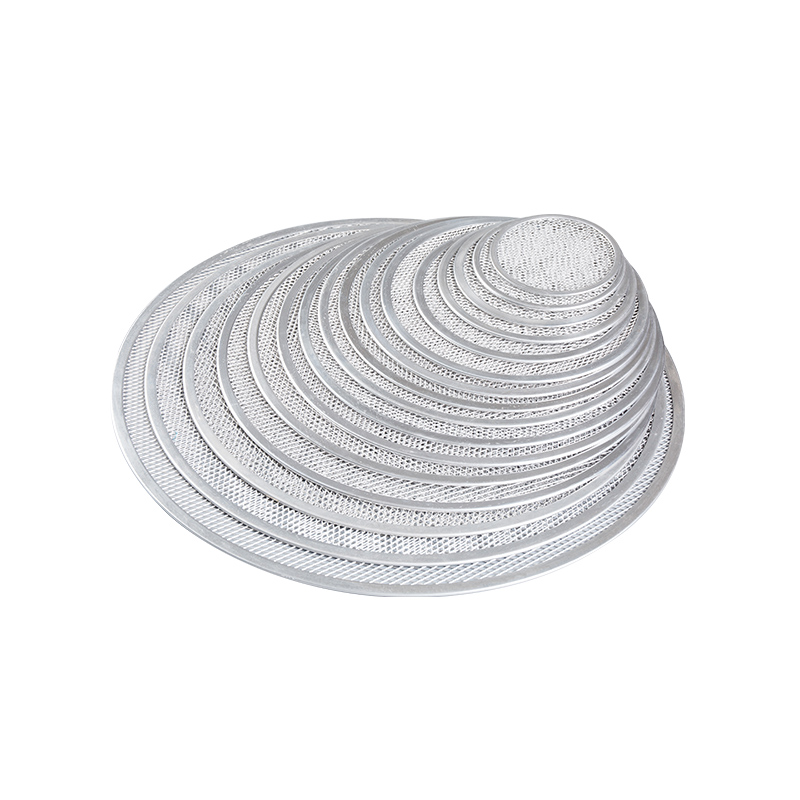
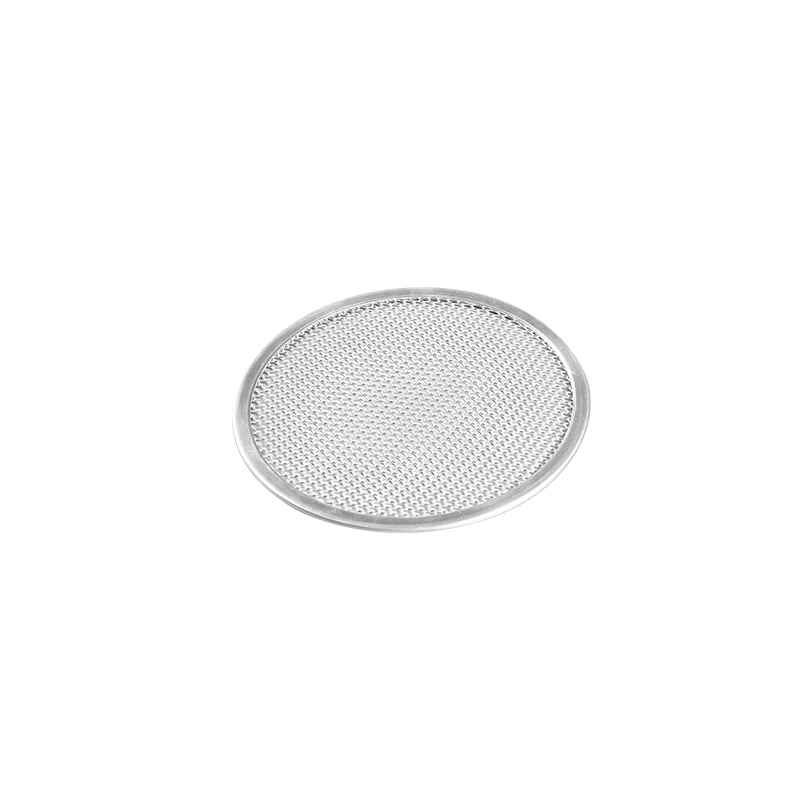
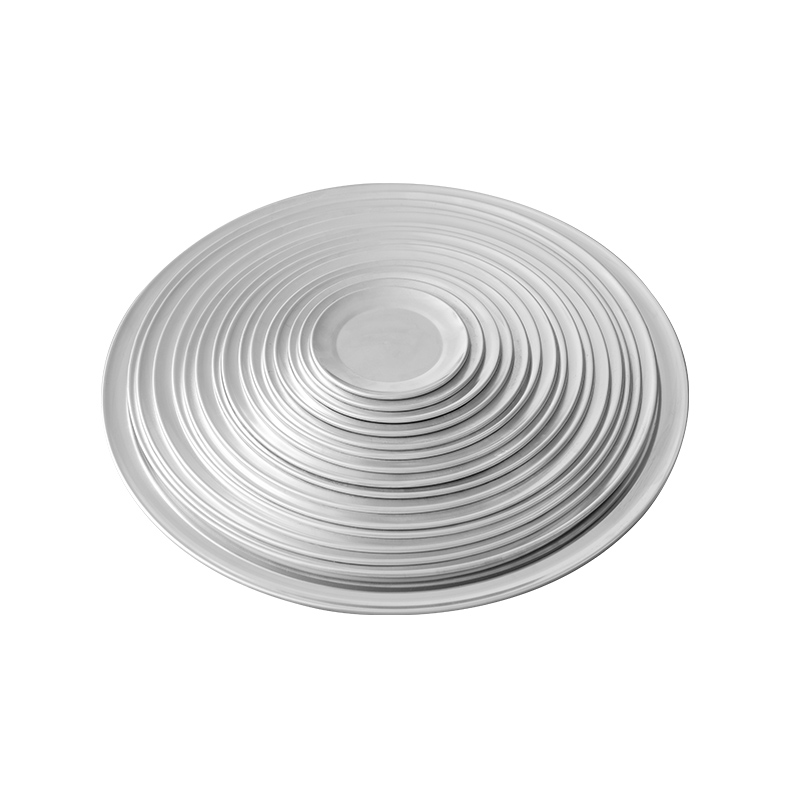
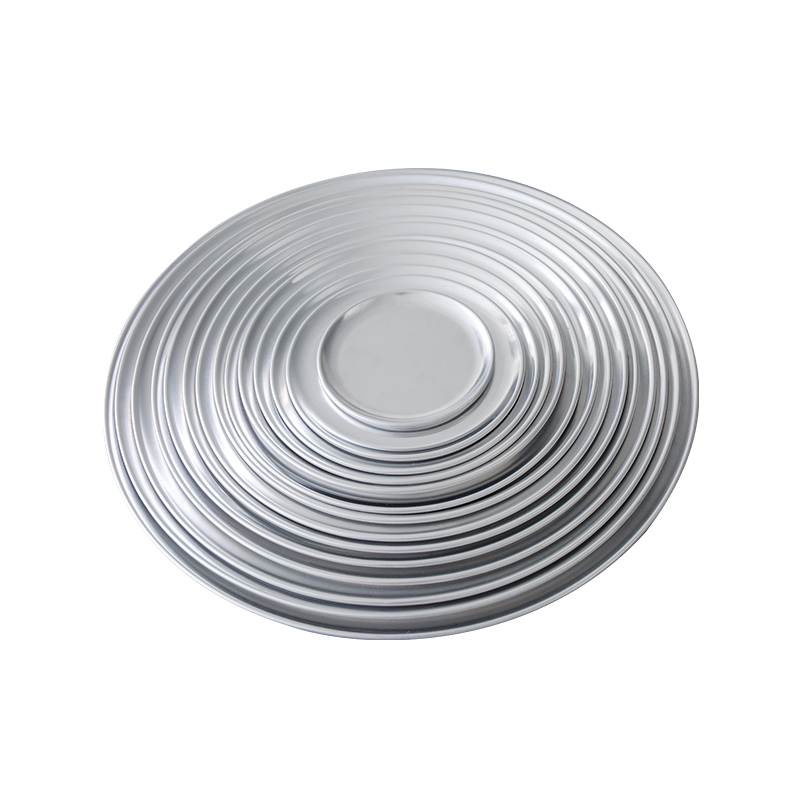
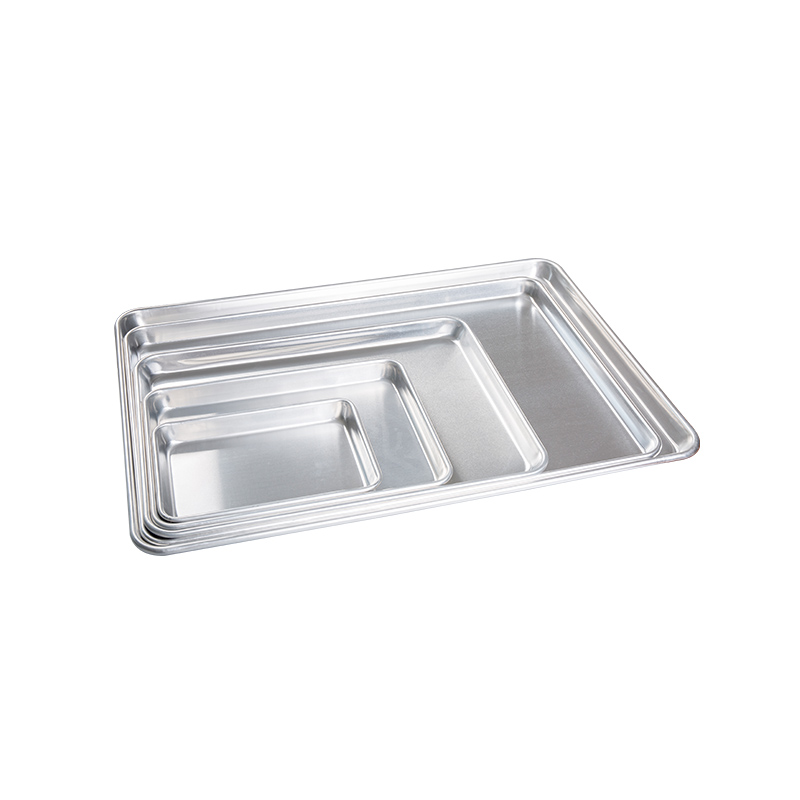
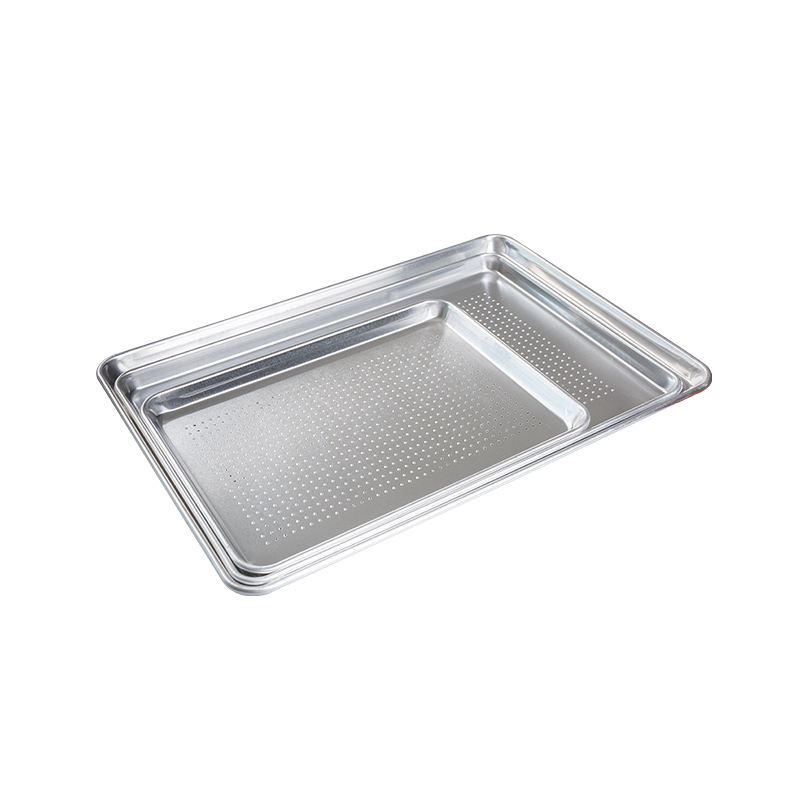
Selecting the right type of pizza tray is critical for achieving the desired culinary outcome. Chinese manufacturers produce a wide variety of trays tailored to different baking styles and operational needs. Below is a comparison of the most commonly sourced varieties.
Comparison of common aluminum pizza tray types used in commercial settings.
| Tray Type |
Primary Use Case |
Key Feature |
| Solid Surface |
Serving and delivery |
Retains heat and structural integrity |
| Perforated |
Baking crispy crusts |
Allows optimal airflow for even cooking |
| Deep Dish |
Thick crust and loaded pizzas |
High walls to contain generous toppings |
| Cutter Pan |
High-volume pizza chains |
Angled sides for seamless dough pressing |
By understanding these distinct categories, buyers can precisely match their inventory to their kitchen's specific requirements, ensuring optimal baking performance and customer satisfaction.
Evaluating Material and Performance Standards
Not all aluminum bakeware is created equal. To ensure longevity and food safety, buyers must scrutinize the material specifications offered by manufacturers.
Aluminum Alloy Selection
The most suitable material for commercial pizza trays is typically the 3003 aluminum alloy. This alloy includes manganese, which significantly enhances the strength and corrosion resistance of the metal compared to pure aluminum. It provides an excellent balance of formability during the stamping process and durability during repeated exposure to high oven temperatures.
Gauge Thickness and Heat Distribution
The thickness of the aluminum, commonly referred to as the gauge, directly impacts the tray's heat distribution and warp resistance. A thicker gauge prevents the tray from buckling under rapid temperature changes. Consistent thickness across the entire tray surface ensures uniform heat transfer, eliminating hot spots that can burn the crust. Buyers should request detailed specifications regarding gauge thickness to ensure the trays can withstand the rigorous daily demands of a commercial pizzeria.
Anodized vs. Bare Aluminum Finishes
Manufacturers offer both bare and anodized finishes. Anodizing creates a hard, non-reactive, and non-stick surface that darkens the metal, allowing it to absorb heat more quickly. While anodized trays offer superior performance and easier cleaning, bare aluminum trays remain highly popular due to their lower cost and excellent thermal conductivity. Both options are food safe when properly maintained.
The Sourcing Process and Quality Control
Successfully importing aluminum pizza trays requires a structured approach to vendor selection and quality assurance. Implementing strict protocols minimizes risks and ensures that the delivered goods match the agreed-upon specifications.
- Factory Audit: Conduct a comprehensive review of the manufacturer's facilities, focusing on their metal stamping capabilities, quality control stations, and compliance with international labor and environmental standards.
- Sample Validation: Request physical samples of the desired pizza trays. Test these samples in actual kitchen environments to evaluate heat distribution, structural integrity, and cleaning convenience.
- Production Monitoring: Establish clear milestones during the mass production phase. Require the factory to provide photographic or video updates once the raw materials are sourced and during the initial stamping runs.
- Pre-Shipment Inspection: Employ third-party quality control agencies to inspect the finished goods before they leave the factory. This step verifies dimensions, surface finish, and packaging integrity.
By rigorously following these steps, businesses can build resilient supply chains that consistently deliver high-quality bakeware, avoiding the costly pitfalls of defective or substandard imports.
Logistics Management and Long-Term Partnerships
Efficient logistics and strong supplier relationships are the final pieces of the sourcing puzzle. Proper management in these areas ensures steady inventory flow and long-term cost stability.
Optimizing Freight and Shipping
Aluminum pizza trays are relatively lightweight but consume significant volumetric space. Buyers must carefully calculate freight costs based on dimensional weight rather than gross weight. Consolidating orders to fill full container loads (FCL) significantly reduces per-unit shipping costs compared to less than container load (LCL) shipments. Strategic freight forwarding partnerships are crucial for navigating customs clearance and ensuring timely delivery to regional distribution centers.
Cultivating Supplier Relationships
Moving beyond transactional interactions yields substantial benefits. Building a collaborative partnership with a Chinese manufacturer can lead to preferred pricing, priority production scheduling during peak seasons, and shared research and development for new product lines. Key strategies for cultivating these relationships include:
- Committing to consistent, predictable order volumes to provide the factory with production stability.
- Providing constructive feedback on quality control reports to help the manufacturer improve their internal processes.
- Visiting the manufacturing facility periodically to reinforce trust and open direct lines of communication with the production team.
Ultimately, sourcing aluminum pizza trays from China is a highly effective strategy for businesses looking to optimize their operational efficiency. Through careful material selection, stringent quality control, and dedicated supplier management, organizations can secure a reliable pipeline of essential kitchen equipment that drives long-term culinary and commercial success.

 English
 Español
 Français



 +86-13482417468
 [email protected]
 No.99, Lane 3670, Waiqingsong Road, Baihe Town, Qingpu District, Shanghai China 201709