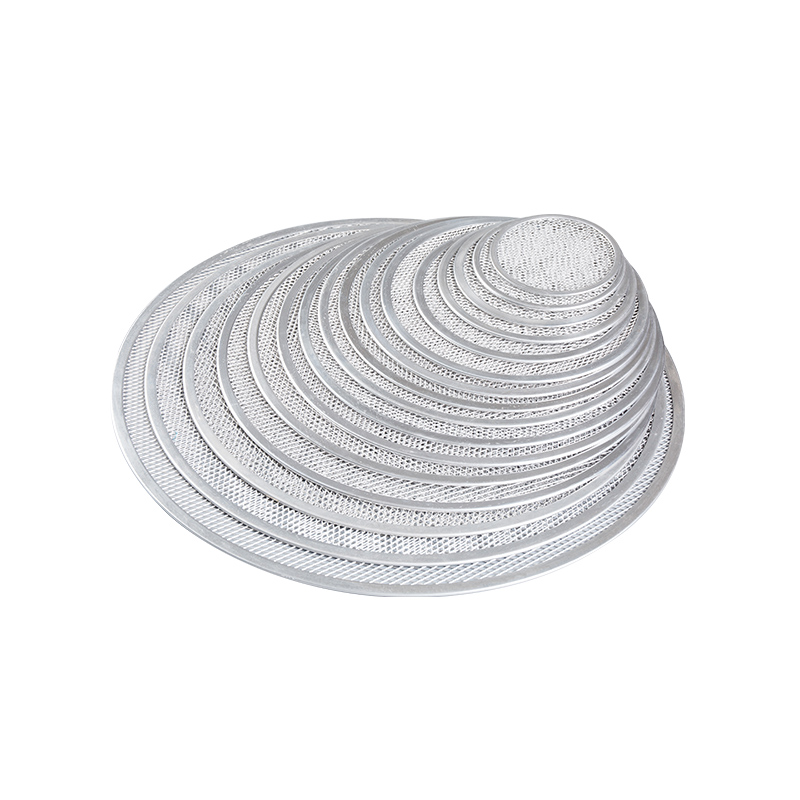
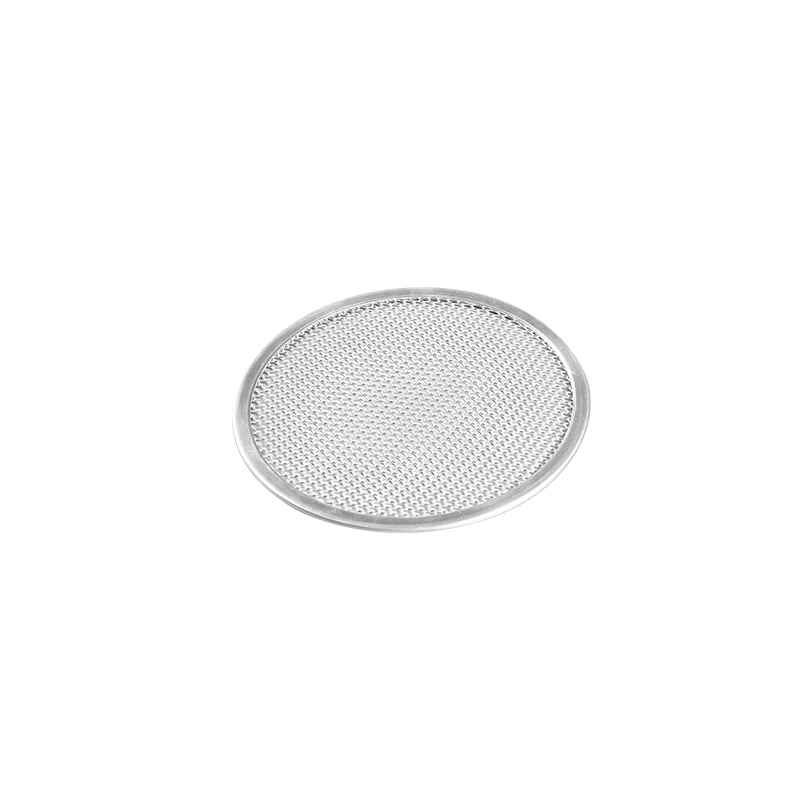
China aluminum pizza screens represent an indispensable investment for both commercial pizzerias and dedicated home bakers. They provide unmatched heat distribution and optimal airflow, directly resulting in a consistently crispy crust that solid baking pans cannot easily achieve. When selecting these screens, buyers must prioritize the aluminum grade, mesh density, and rim reinforcement to ensure long-term durability and food safety. By understanding the manufacturing intricacies and proper maintenance techniques, users can significantly elevate their pizza baking quality while maximizing the lifespan of their equipment.
The Core Advantages of Aluminum Pizza Screens
The choice of baking materials significantly dictates the final product's quality. Aluminum, particularly when engineered into a mesh screen format, offers unique thermal and structural benefits that make it the preferred choice for pizza preparation globally.
Superior Heat Conduction
Aluminum is renowned for its excellent thermal conductivity, which is significantly higher than that of steel or cast iron. When a pizza dough is placed on an aluminum screen, the material rapidly absorbs heat from the oven and transfers it directly to the bottom of the crust. This rapid transfer ensures that the dough begins cooking immediately, reducing overall bake time and preventing the toppings from overcooking or burning. Studies show that aluminum transfers heat up to four times faster than steel, making it highly efficient for high-volume baking environments.
Enhanced Crust Crispiness
The primary culinary purpose of a pizza screen is to facilitate airflow. Unlike solid pans that trap moisture against the dough, a mesh screen allows hot air to circulate completely around the pizza. As the dough bakes, the moisture released from the crust escapes through the mesh rather than pooling at the bottom. This continuous ventilation is critical for achieving a golden, blistered, and structurally sound crust that can support heavy toppings without becoming soggy.
Durability and Lightweight Nature
Despite being a lightweight metal, properly manufactured aluminum screens are remarkably durable. The lightweight nature reduces physical strain on kitchen staff during high-volume shifts, allowing for easy maneuvering in and out of ovens. Furthermore, aluminum naturally forms a protective oxide layer when exposed to air, which provides inherent resistance against corrosion and rust, extending the operational lifespan of the tool.
Critical Manufacturing Features to Evaluate
Not all aluminum pizza screens are created equal. When sourcing from manufacturers, several structural features must be evaluated to ensure the product meets commercial kitchen standards.
Mesh Weave and Hole Density
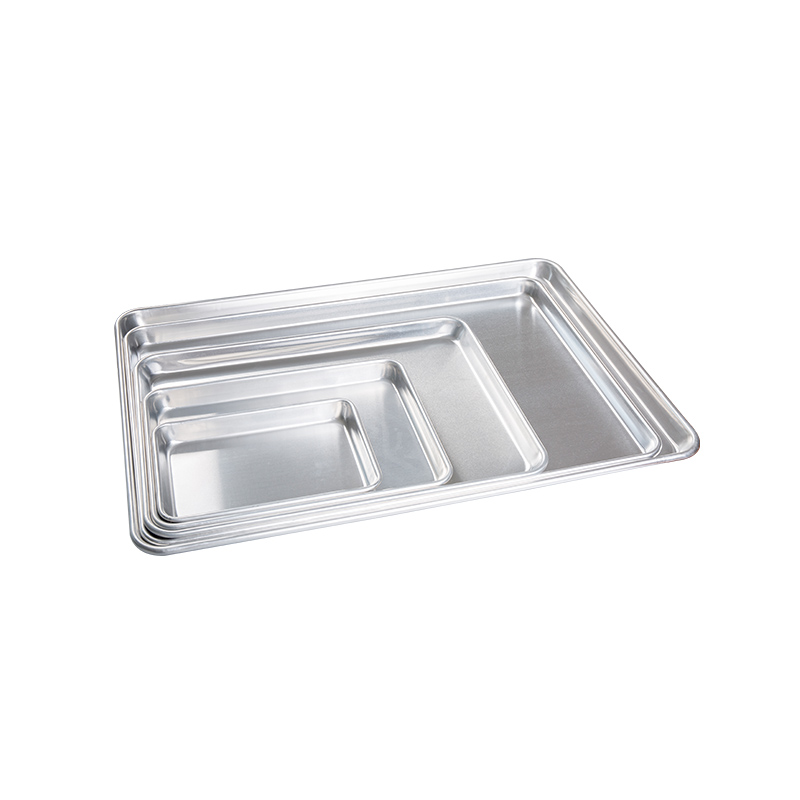
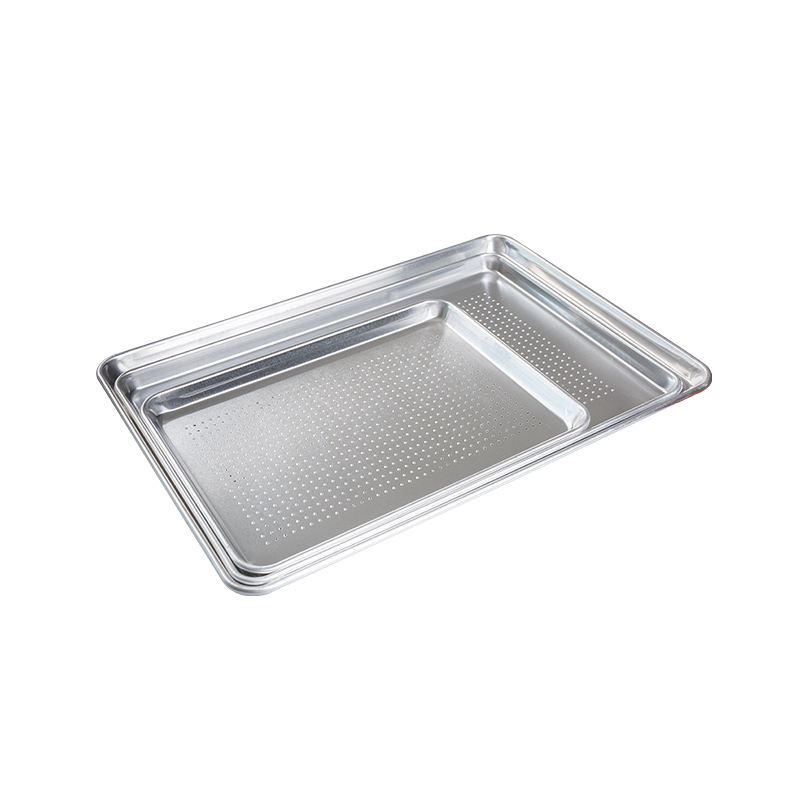
The size and density of the holes in the mesh determine the balance between airflow and structural support. A mesh that is too open may allow soft dough to sag or fall through, while a mesh that is too dense restricts the airflow necessary for crisping. High-quality screens typically feature a precisely engineered perforation pattern that supports the dough while maximizing ventilation.
Rim Reinforcement and Structural Integrity
The edge of the pizza screen is the most vulnerable to bending and warping under high heat and frequent handling. Premium screens feature a reinforced rim, often rolled or extruded, to maintain a perfectly flat baking surface. A flat screen is vital for even baking and for safely sliding the pizza onto a peel or serving tray. Screens with double-reinforced rims demonstrate significantly higher resistance to warping under continuous thermal stress.
Material Standards and Food Safety
Sourcing requires strict adherence to food safety standards. The aluminum used must be food-grade, free from harmful heavy metals, and safe for direct contact with raw dough. Reputable manufacturing processes ensure that the aluminum alloy is properly treated and that no industrial lubricants remain on the final product.
Comparison of Aluminum Screen Features
| Feature |
Standard Quality |
Premium Quality |
| Mesh Design |
Basic perforation |
Engineered tension weave |
| Rim Structure |
Single folded edge |
Double reinforced extrusion |
| Thermal Tolerance |
Moderate |
High warp resistance |
Applications in Commercial and Residential Kitchens
Aluminum pizza screens are versatile tools that adapt to various baking environments, from fast-paced commercial operations to careful home cooking.
High-Volume Pizzerias
In a commercial setting, consistency and speed are paramount. Screens allow staff to prep multiple pizzas simultaneously on a conveyor belt or in a deck oven without the dough sticking to the surface. They also facilitate easy transfer; a pizza baked on a screen can be slid directly onto a serving platter or a cooling rack. For operations baking hundreds of pizzas daily, screens reduce the reliance on heavy dusting flour or semolina, keeping the oven cleaner and reducing ingredient waste.
Home Baking Enthusiasts
For home bakers, achieving a professional-quality crust in a standard household oven is often challenging due to lower maximum temperatures. An aluminum screen helps bridge this gap. By maximizing the ambient heat in the oven and promoting airflow, the screen allows the home baker to achieve a crispier crust at moderate temperatures. It is particularly useful for baking thick-crust or deep-dish style pizzas where the dough needs structural support while cooking thoroughly.
Maintenance and Care Best Practices
Proper maintenance is crucial to preserve the integrity and non-stick properties of aluminum pizza screens. Mishandling can lead to warping, corrosion, or the buildup of burnt residue that affects the flavor of the pizza.
Seasoning the Screen
While aluminum screens do not strictly require seasoning like cast iron, developing a light patina can improve their non-stick capabilities. To season a new screen, lightly coat it with cooking oil and bake it empty in the oven at a moderate temperature for a short period. This process bakes a micro-layer of oil into the mesh, creating a natural barrier that prevents dough from adhering.
Proper Cleaning Techniques
Cleaning should be approached with care to avoid damaging the mesh or removing the protective patina. Follow these best practices:
- Allow the screen to cool completely before handling to prevent thermal shock and warping.
- Wipe away excess oil and food debris with a dry cloth or a soft brush while the screen is still slightly warm.
- Wash gently with warm water and a mild detergent if necessary; avoid harsh chemicals or abrasive scouring pads that can scratch the aluminum surface.
- Never put aluminum screens in a dishwasher, as the harsh alkaline detergents can cause pitting and discoloration.
- Dry thoroughly immediately after washing to prevent water spots and oxidation.
Storage Solutions
Proper storage prevents physical damage to the mesh and rim. Screens should be stored flat or hung vertically rather than stacked haphazardly under heavy equipment. If stacking is necessary, placing a soft separator between screens can prevent the mesh from scratching and the rims from bending. Maintaining a dry storage environment is also essential to prevent any long-term moisture exposure that could compromise the metal.
Sourcing Considerations from China
China is a major global hub for the manufacturing of kitchen supplies, including aluminum pizza screens. Sourcing from this region offers access to advanced manufacturing capabilities, but it requires careful evaluation to secure high-quality products.
Quality Assurance and Compliance
Buyers must ensure that manufacturers adhere to international quality management systems. Requesting documentation regarding the specific aluminum alloy used, such as food-grade certification, is a critical step. Reputable suppliers will readily provide material test reports and compliance certificates. It is also advisable to request samples to physically test the screen's durability, mesh tension, and rim strength before committing to a large-scale purchase.
Customization and OEM Capabilities
Chinese manufacturers often provide extensive customization options. Businesses can specify exact dimensions, mesh hole sizes, and rim styles to suit their specific baking requirements. Furthermore, custom packaging and private labeling can be arranged to support brand identity. Collaborating directly with a manufacturer allows for the creation of a bespoke baking tool tailored to unique operational needs, whether for a specialty pizzeria or a large franchise.

 English
 Español
 Français



 +86-13482417468
 [email protected]
 No.99, Lane 3670, Waiqingsong Road, Baihe Town, Qingpu District, Shanghai China 201709