China aluminum pizza peels offer an exceptionally practical and cost-effective solution for both home pizza enthusiasts and commercial pizzerias, provided they are used correctly for their intended purpose. They are the best choice for launching pizzas into the oven and retrieving light-to-medium weight pies, but they are not suitable for high-heat baking directly on the peel or handling extremely heavy, dense loads. The manufacturing capabilities in China have evolved to produce kitchen tools that balance lightweight maneuverability with sufficient structural integrity, making them a highly rational purchase over more expensive alternatives for everyday pizza making.
Material Characteristics and Practical Performance
Aluminum is fundamentally the preferred material for pizza peels used in the launching process due to its distinct physical properties. When sourced from large-scale manufacturing hubs, the aluminum used is typically a high-grade alloy that provides an optimal balance between weight and strength. The primary advantage of this material is its remarkably low surface friction. When paired with a light dusting of flour or cornmeal, a dough skin will slide off an aluminum peel with minimal resistance. This is a critical factor in pizza making, as hesitation or sticking during the launch can lead to folded, misshapen, or torn pizzas.
Furthermore, aluminum possesses excellent thermal conductivity. While this means it can get warm if left inside a hot oven, it also means it dissipates heat quickly once removed. If a peel absorbs ambient heat from a nearby pizza oven, it will cool down rapidly in the open kitchen air, preventing the dough from prematurely cooking or fermenting unevenly while the baker is assembling the next pie. This rapid heat dissipation is a distinct advantage over materials like stone or thick wood, which retain heat and can cause the dough to stick stubbornly.
Construction and Manufacturing Realities
The manufacturing processes for these tools have become highly standardized. Understanding how they are constructed helps in evaluating their longevity and safety. The construction generally falls into two distinct categories, each with its own set of practical implications for the end user.
Solid Aluminum Designs
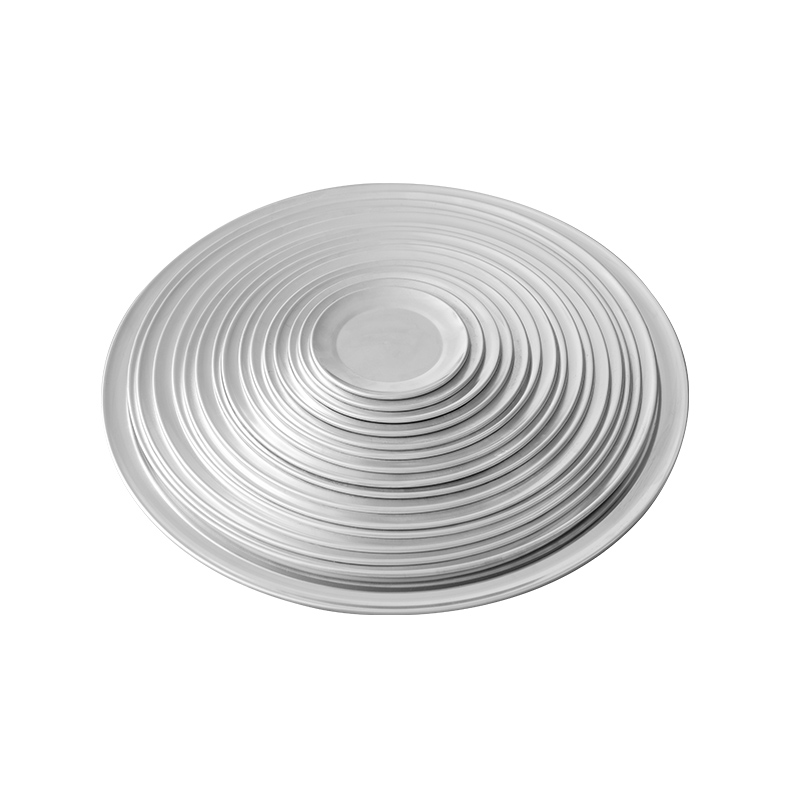
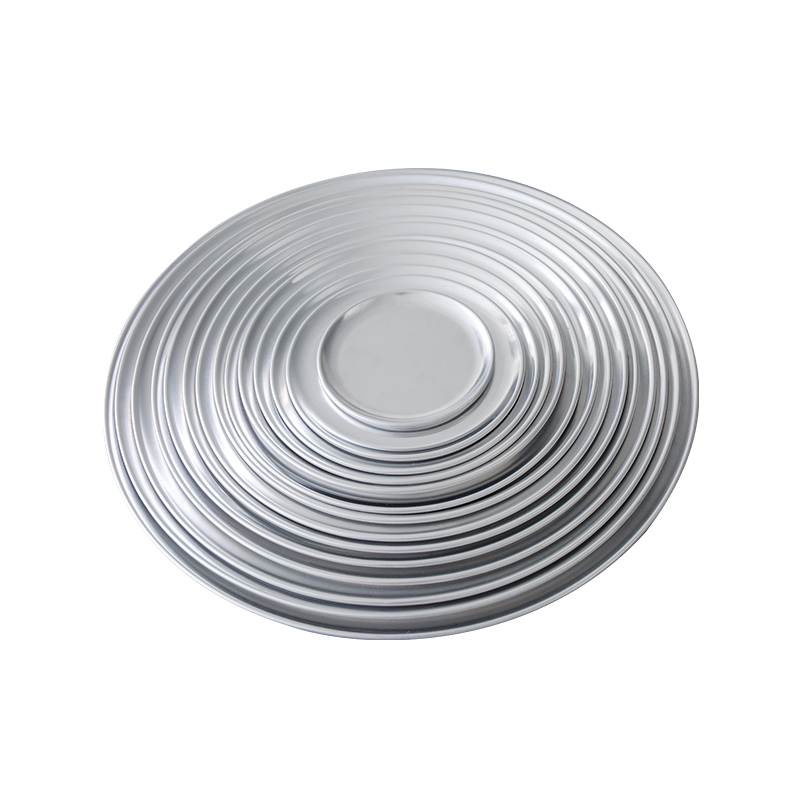
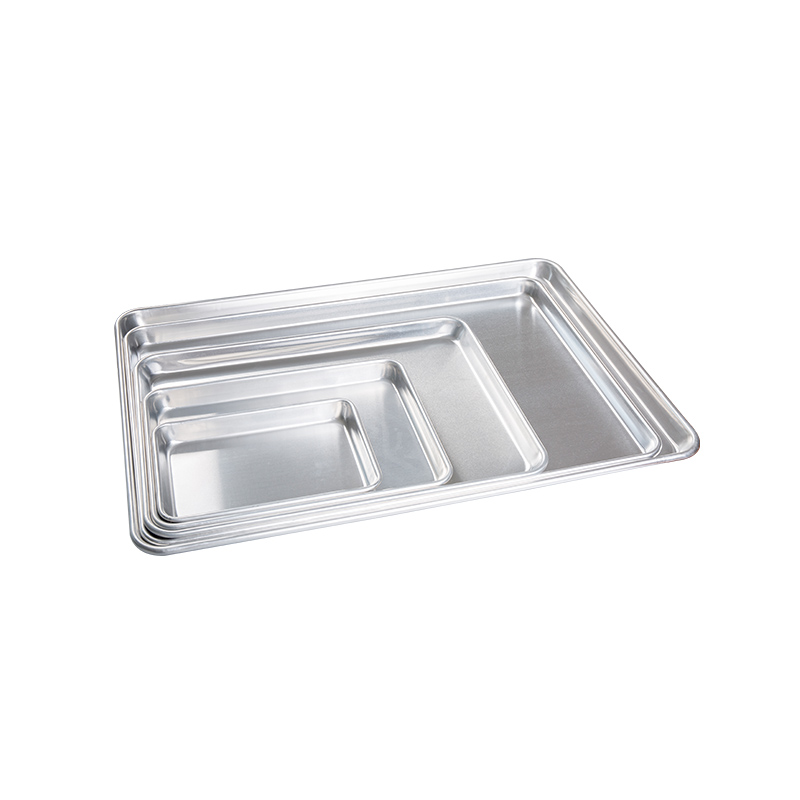
Solid peels are milled or stamped from a single, thick sheet of aluminum. The edge is usually tapered to a very thin profile to facilitate sliding under the pizza. These peels are incredibly rigid, which is essential when trying to maneuver a delicate, fully loaded pizza without the board bending and dumping the toppings. A solid aluminum peel can easily support heavy pizzas loaded with multiple ingredients without flexing. However, they are slightly heavier, which can cause wrist fatigue during a long, busy dinner service in a commercial setting.
Perforated Aluminum Designs
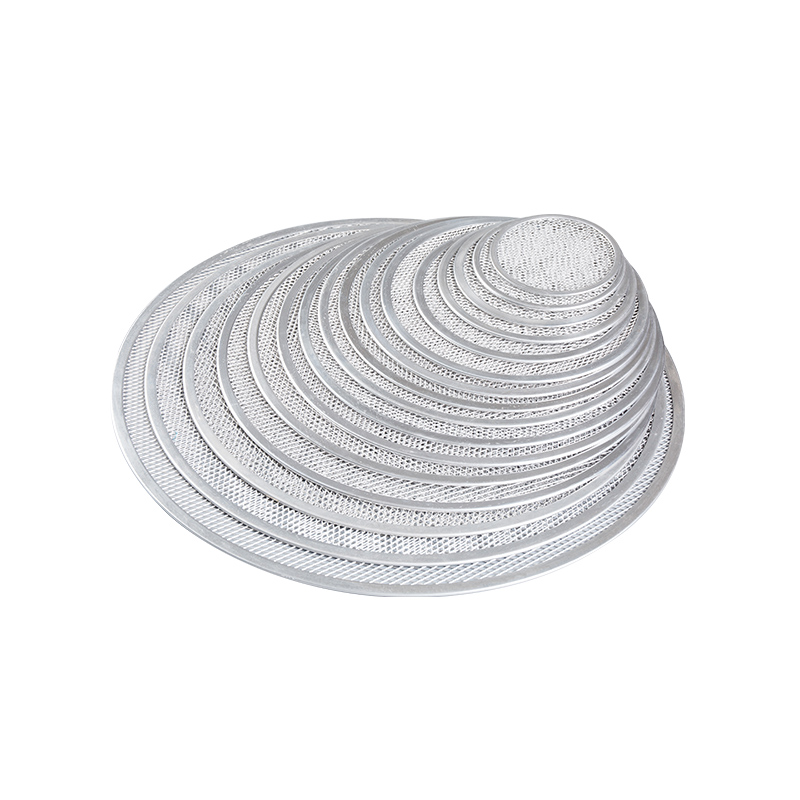
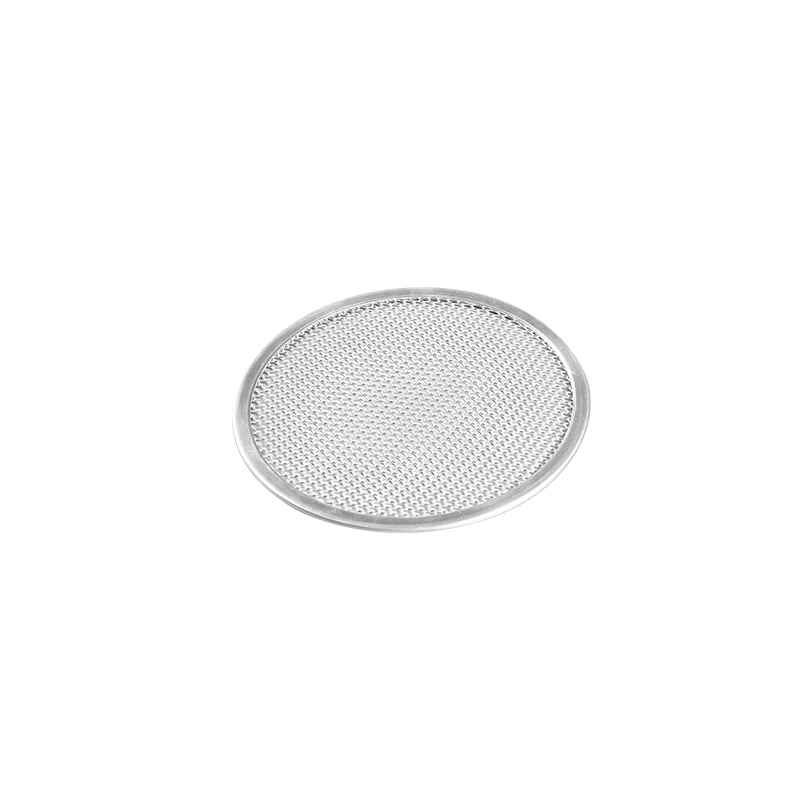
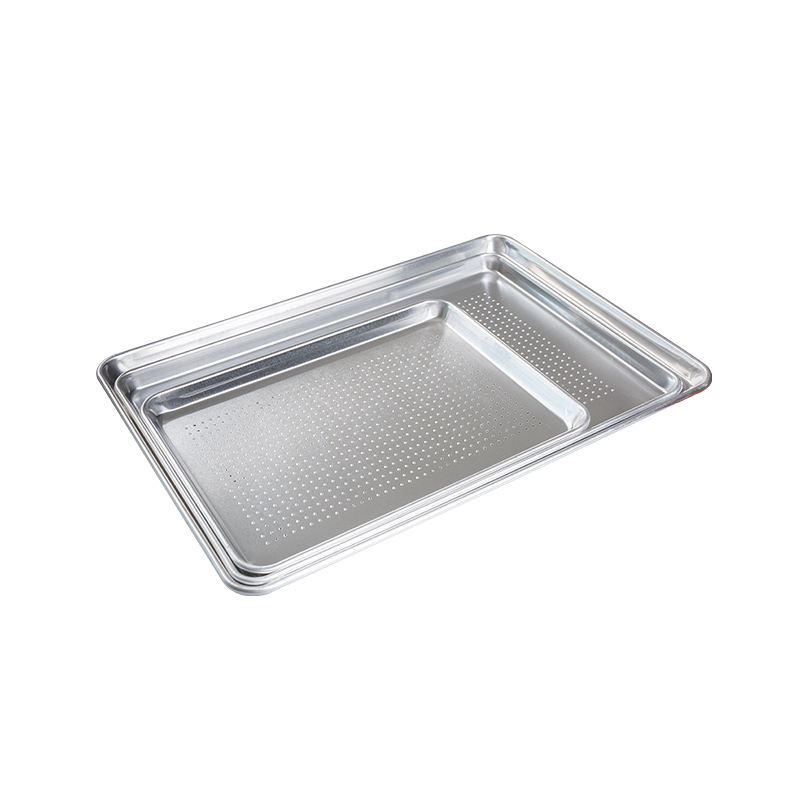
Perforated peels feature hundreds of small holes punched through the surface. This design serves a highly specific and valuable function: it reduces the surface area contact between the peel and the dough. As a result, there is significantly less friction, and excess flour falls away through the holes during the launch. This prevents a buildup of burnt flour on the pizza stone or baking deck, resulting in a cleaner bake. Additionally, the removal of material makes the peel lighter. The trade-off is a slight reduction in overall rigidity, though high-quality manufacturing ensures they remain perfectly functional for standard pizzas.
Comparative Advantages Over Alternative Materials
To truly understand the value of aluminum peels, it is necessary to compare them directly against the other common materials found in the kitchen. Each material has a niche, but aluminum dominates the general-purpose launching category.
| Material |
Friction Level |
Weight |
Maintenance |
| Aluminum |
Very Low |
Light to Medium |
Easy, dishwasher safe often |
| Wood |
Low (if maintained) |
Medium to Heavy |
Requires oiling, cannot wash easily |
| Stainless Steel |
Higher than Aluminum |
Heavy |
Easy, very durable |
Comparison of common pizza peel materials based on daily kitchen usability.
Wooden peels are traditional and excellent for assembling the pizza because they do not conduct heat, meaning the dough will not warm up and stick while you add toppings. However, they are bulky, require regular mineral oil treatments to prevent splitting, and cannot be put in a dishwasher. Stainless steel peels are nearly indestructible and great for turning pizzas inside the oven or pulling them out, but they are heavy and have a higher coefficient of friction, making the initial launch more prone to sticking. Aluminum effectively bridges the gap, offering the low friction of wood with the easy sanitation of metal.
Essential Sizing and Ergonomic Considerations
Selecting the correct dimensions is just as important as selecting the correct material. A peel that is too small will result in ingredients spilling over the edge during the chaotic launch process, while a peel that is too large will be cumbersome and difficult to maneuver in a confined oven space.
Head Diameter and Shape
The carrying surface of the peel should be significantly larger than the pizza itself. A good rule of thumb is to have at least a couple of inches of clearance on all sides. For a standard home oven making smaller pizzas, a round head with a diameter around twelve inches is usually sufficient. For larger, professional-style pizzas, rectangular heads are often preferred because they provide more surface area forward toward the edge, allowing the baker to slide the peel completely under the back of the pizza without the front of the pizza hanging off.
Handle Length and Attachment
Handle length is determined entirely by the depth of the oven. For a standard indoor kitchen oven, a short handle of about seven to eight inches is ideal, as long handles will bang against the oven door. For outdoor pizza ovens, where the baking surface is set deep inside a dome or insulated chamber, handles extending fourteen inches or more are necessary to keep the user's hands safely away from the intense radiant heat. The joint where the handle meets the aluminum head is a critical stress point. Reinforced, welded, or bolted connections are necessary to prevent the head from loosening or snapping under the leverage of a heavy pizza.
Limitations and Thermal Safety Boundaries
Despite their numerous advantages, aluminum pizza peels have strict limitations that must be respected to ensure safety and food quality. The most significant limitation is their maximum temperature tolerance. Aluminum has a relatively low melting point compared to other metals, and more importantly, it loses its structural integrity at high temperatures.
If an aluminum peel is left inside a roaring wood-fired oven that exceeds certain temperature thresholds for an extended period, the metal can warp, sag, or even develop micro-fractures. Therefore, aluminum peels are strictly tools for the "launch and retrieve" process. They should never be used as a surface to bake the pizza on, nor should they be stored inside the hot oven. Additionally, while high-quality manufacturing ensures smooth edges, cheaper variants might have sharp, unfinished borders that require slight sanding before first use to prevent accidental cuts.
Best Practices for Daily Use and Maintenance
Maximizing the lifespan and performance of an aluminum pizza peel requires adopting a few consistent habits. Proper technique not only protects the tool but drastically improves the pizza-making experience.
- Always use a barrier agent like semolina flour, rice flour, or standard bread flour. Apply it generously to the peel before placing the dough down. Semolina is particularly effective because its coarse grain acts like tiny ball bearings.
- Assemble the pizza quickly. The longer the dough sits on the peel, the more moisture it will extract from the flour barrier, increasing the likelihood of sticking.
- Perform a quick jerk test right before launching. Gently shake the peel back and forth; if the pizza slides freely, proceed. If it sticks, lift the edges and blow a puff of air underneath, or add a pinch more flour to the stuck spot.
- Clean the peel promptly after use. While many aluminum peels are technically dishwasher safe, hand washing with warm soapy water and a soft sponge preserves the surface finish better. Avoid abrasive scouring pads, which can roughen the surface and increase friction over time.
- Store the peel flat or hung vertically. Leaning a long aluminum peel against a wall in a corner can cause it to bow or warp over time, ruining its flat profile.
Strategic Scenarios for Optimal Deployment
Understanding exactly when to deploy an aluminum peel versus another tool is the hallmark of an experienced pizza maker. In a well-organized kitchen workflow, tools are assigned based on their strengths.
The High-Volume Home Kitchen
For someone making multiple pizzas in a row for a dinner party, speed and consistency are paramount. A perforated aluminum peel is the ultimate tool here. It allows the baker to shake off excess flour—preventing the bottom of the third or fourth pizza from tasting like burnt flour—while keeping the weight light enough to prevent shoulder fatigue. The ease of washing it between batches ensures a clean, professional result for every guest.
The Outdoor Oven Environment
Outdoor ovens present unique challenges, including high ambient temperatures and deep baking floors. In this scenario, a solid aluminum peel with an extended handle is ideal. The solid construction provides the leverage needed to navigate the pizza over a hot fire and deep into the back of the oven. Because the peel is only in the oven for a few seconds during the launch and retrieval, the aluminum will not overheat, but it will provide a rigid, stable platform that is less affected by outdoor humidity than wood.
Evaluating Quality When Sourcing
The market is saturated with varying levels of quality. To ensure a sound investment, buyers should look for specific indicators of manufacturing quality rather than just focusing on the lowest price point.
- Edge finishing: The leading edge should be smoothly tapered and rounded slightly, not cut at a harsh ninety-degree angle that could scratch a baking stone or tear the dough.
- Handle grip: Look for rubberized or textured grip materials. Smooth, bare metal handles become slippery when hands are floured or sweaty.
- Gauge thickness: The aluminum should feel substantial. Excessively thin metal will vibrate and flex when carrying a loaded pizza, inspiring a lack of confidence in the user.
- Rivets vs. Welds: For heavy use, welded handles or heavy-duty rivets are preferable. Ensure there are no sharp burrs around the connection points.
By focusing on these tangible quality markers, buyers can reliably source a tool that will perform flawlessly for years. A well-manufactured aluminum peel is an investment in kitchen efficiency that far outlasts its initial cost, proving that practical, purpose-built tools are the true foundation of good cooking.

 English
 Español
 Français



 +86-13482417468
 [email protected]
 No.99, Lane 3670, Waiqingsong Road, Baihe Town, Qingpu District, Shanghai China 201709