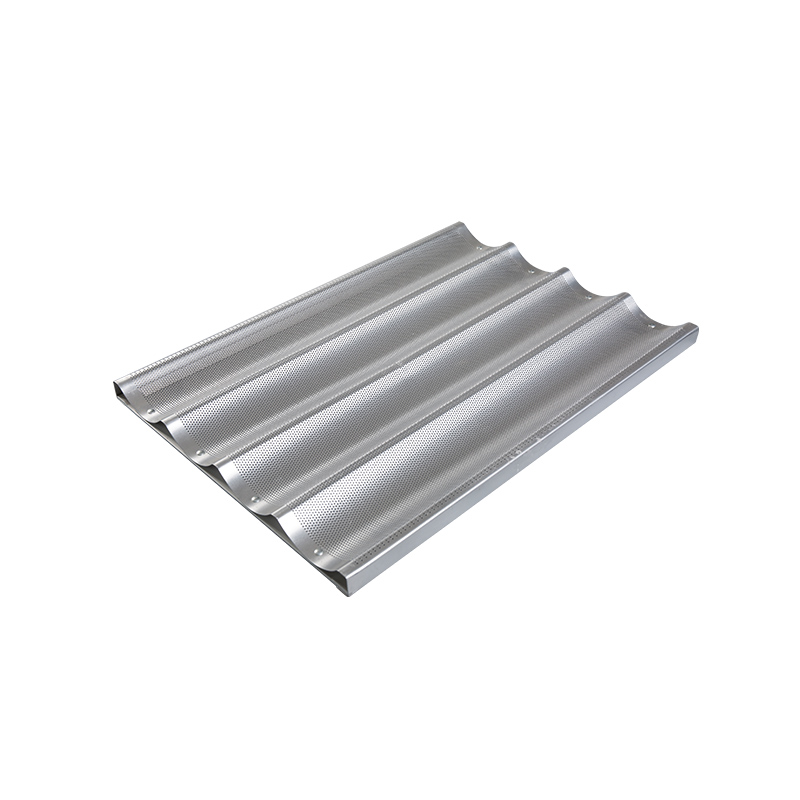
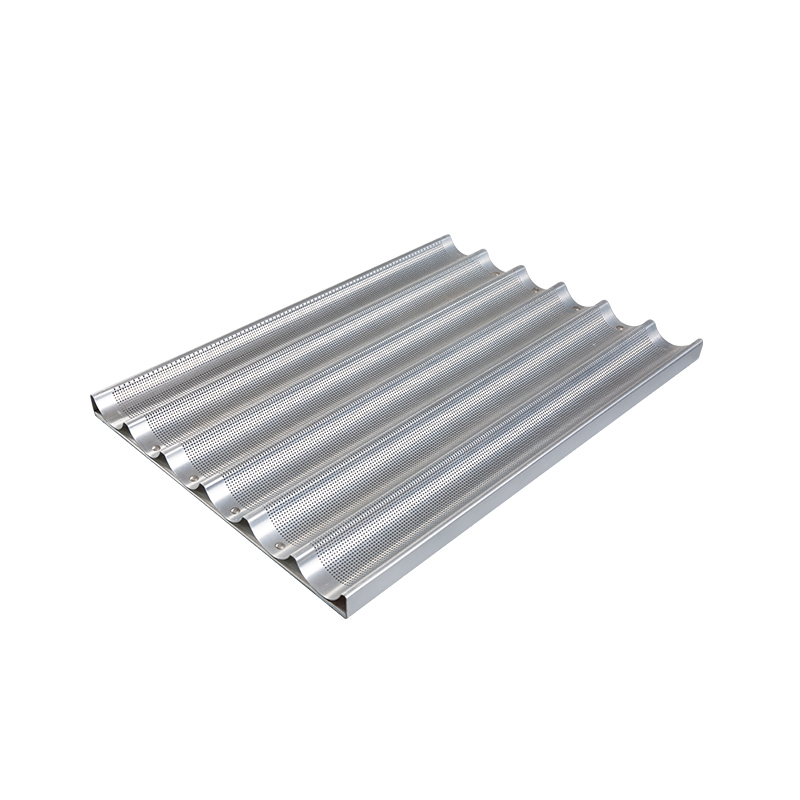
How to choose the right size and depth of Aluminum Baguette Pans to meet different baking needs?
To choose the right size and depth of Aluminum Baguette Pans to meet different baking needs, the following key factors need to be considered:
1. Baking scale and output
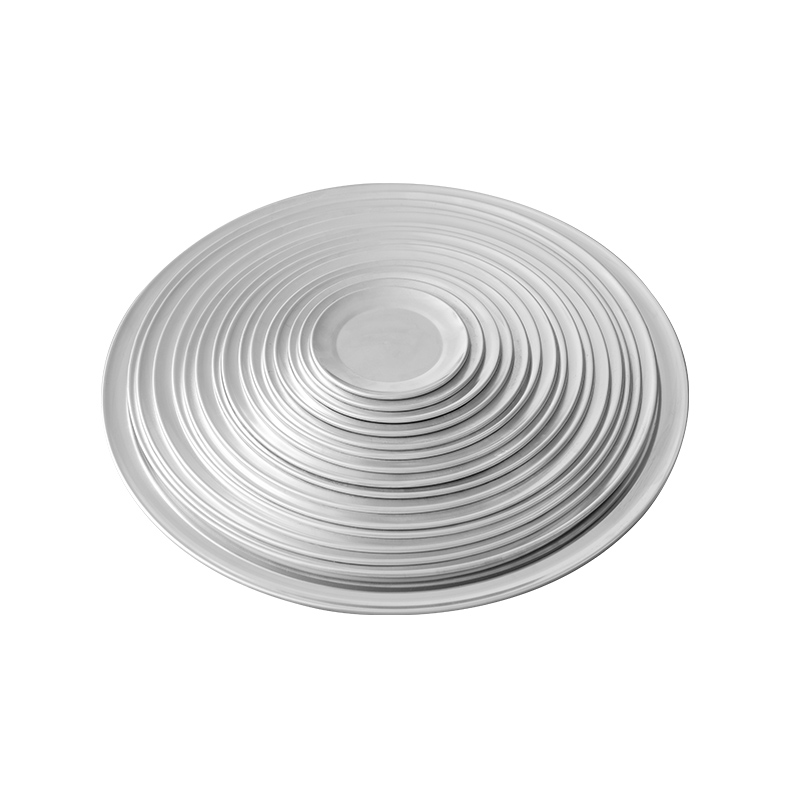
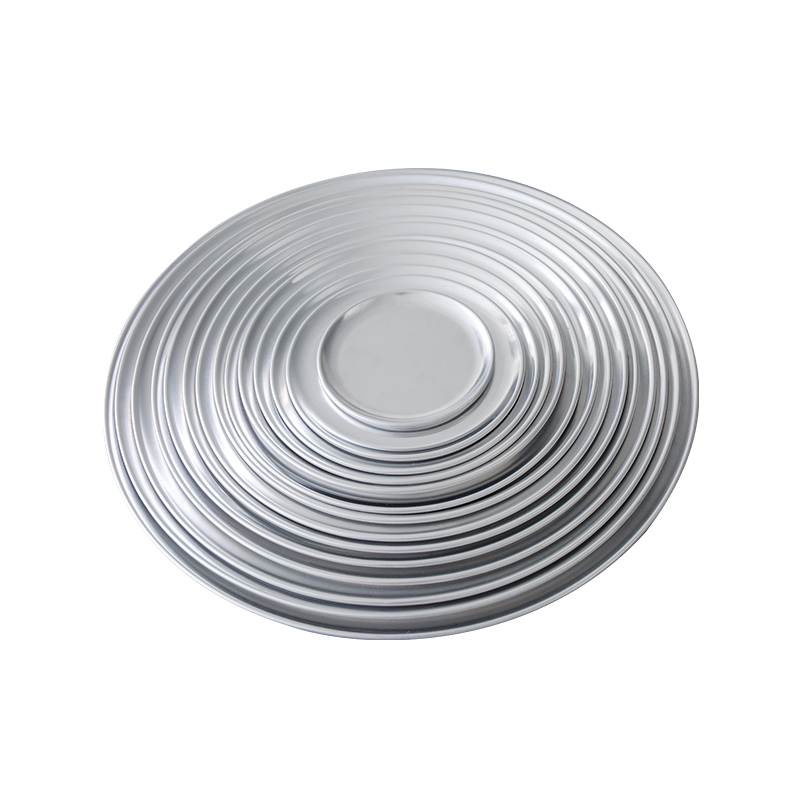
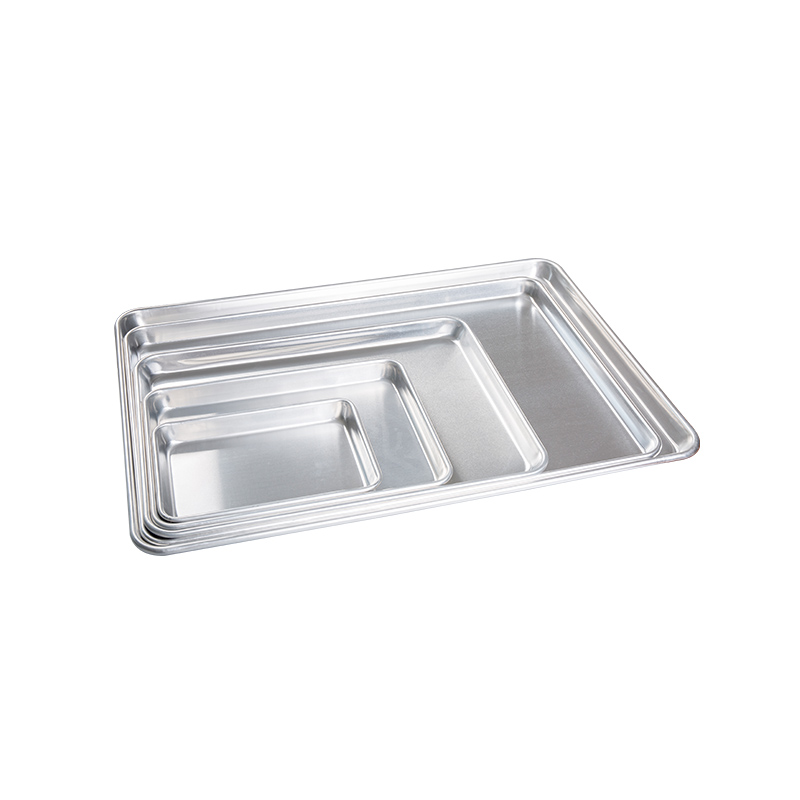
Small-scale home baking: For home baking enthusiasts, overly large bread pans are usually not needed. You can choose smaller-sized Aluminum Baguette Pans, such as 18"x26" (about 460mm x 660mm) or similar sizes, which are convenient for operation and can meet the daily needs of the family.
Commercial baking: For commercial bakeries or restaurants, higher output and efficiency are required. Therefore, larger-sized bread pans, such as 80*100cm or larger, should be selected to bake more baguettes at the same time.
2. Baking process and style
Traditional baguette: Traditional baguettes have certain requirements for shape and size, so you should choose a bread pan with moderate depth and reasonable edge design to ensure that the bread maintains a good shape and taste during baking.
Innovation or special shapes: If the baker wants to try innovative or special shapes of baguettes, a special size bread pan may be required. At this time, you can communicate with the manufacturer to customize the appropriate size and depth according to your specific needs.
3. Oven size and compatibility
Oven cavity size: When choosing Aluminum Baguette Pans, you must consider the cavity size of the oven. The bread pan should be able to fit easily into the oven and leave enough space to ensure hot air circulation. Therefore, it is recommended to choose a bread pan that is a certain size smaller than the oven cavity size to avoid collision or jamming during baking.
Stacking and storage: If you consider stacking bread pans during baking to save space, you need to ensure that the depth of the selected bread pan is sufficient to avoid the upper bread flattening the lower bread. At the same time, you should also pay attention to ventilation and heat dissipation when stacking.
4. Material and durability
Although the issue mainly focuses on size and depth, the material is also a factor that cannot be ignored. High-quality Aluminum Baguette Pans should be resistant to high temperatures, corrosion, and easy to clean. In addition, some high-end products may also use special coatings to improve non-stick and durability.
5. Other considerations
Brand and reputation: Choosing Aluminum Baguette Pans produced by well-known brands and reputable manufacturers can ensure product quality and after-sales service.
Price and cost-effectiveness: While considering the size and depth, you should also pay attention to the price of the product. The prices of bread pans of different sizes and brands vary greatly, so you need to choose according to your own budget and needs.
What are the precautions for the maintenance of aluminum baguette pans?
Maintenance of aluminum baguette pans is the key to ensure its long-term use and extend its service life. Here are some important maintenance precautions:
1. Daily cleaning
Timely cleaning: After each use, the bread pan should be cleaned in time to avoid oil stains, dough residues, etc. adhering to the surface for a long time, causing corrosion or affecting the effect of the next use.
Use mild detergent: When cleaning, a mild neutral detergent should be used, and strong acids, strong alkalis or detergents containing abrasive particles should be avoided to avoid damaging the aluminum surface.
Soft cloth wipe: Use a soft cloth or sponge to gently wipe the surface of the bread pan, and avoid using hard objects or brushes to scratch the surface.
2. Avoid corrosion
Moisture and moisture: Aluminum materials are easily corroded by moisture, so the bread pan should be stored in a dry and ventilated place to avoid long-term exposure to humid environments.
Avoid contact with chemicals: Avoid direct contact between the bread pan and chemicals such as acids and alkalis, which will corrode the aluminum surface and affect its service life.
3. Proper storage
Avoid stacking too much: If you need to stack multiple bread pans, avoid stacking too much to avoid deformation or damage.
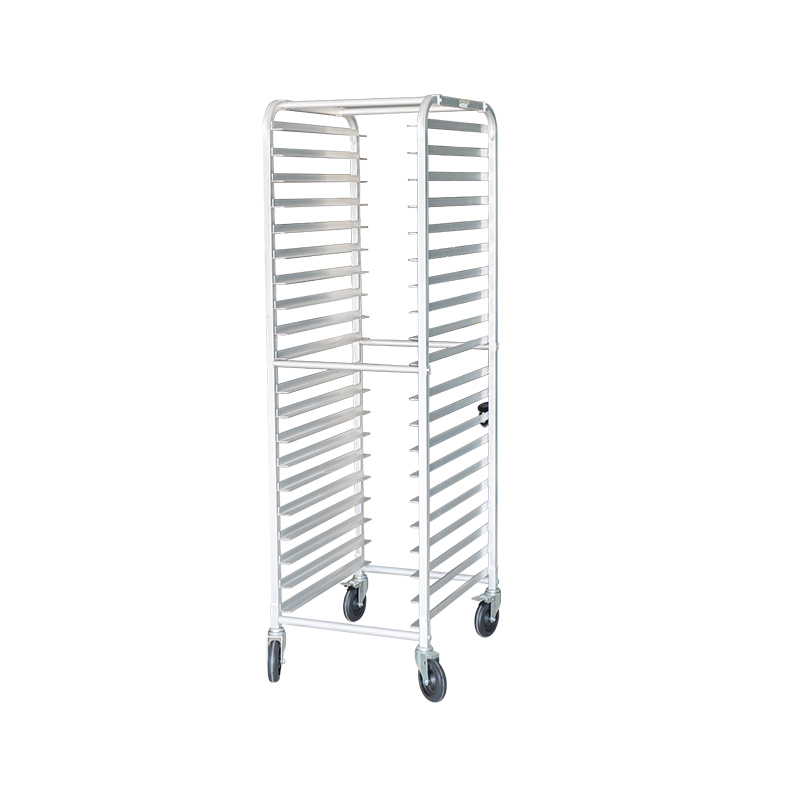
Use a dedicated storage rack: If conditions permit, you can use a dedicated storage rack to store bread pans to maintain their shape and neatness.
4. Special treatment
Remove stubborn stains: If there are stubborn stains on the surface of the bread pan that are difficult to remove, you can try to use a small amount of alcohol or white vinegar to gently wipe it, but be sure to rinse it with clean water and wipe it dry afterwards.
Protect the coating: For bread pans with non-stick coatings, special attention should be paid to avoid scratching the coating with sharp objects, and avoid high-temperature baking that causes the coating to fall off.
5. Regular inspection and maintenance
Check the surface condition: Regularly check whether there are scratches, dents or corrosion on the surface of the bread pan, and take timely measures to repair or replace it.
Tighten the connection parts: For bread pans with connection parts (such as detachable handles, etc.), the connection should be checked regularly to ensure that it is firm to avoid looseness that affects safety.
6. Precautions for use
Avoid overheating: When using a bread pan for baking, avoid overheating or long-term high-temperature baking to avoid damaging the aluminum material or affecting its service life.
Place food evenly: When placing food in a bread pan, try to keep it evenly distributed to avoid deformation or damage caused by local overheating.

 English
 Español
 Français